











A Definitive Guide to Air Compressor Oil Separators: Types, Function, and Maintenance
In any industrial compressed air system, the air-oil separator is an unsung hero. Operating silently in the background, this critical component has a profound impact on your operational costs, equipment longevity, and the quality of your end product. Whether you are a plant manager, a maintenance engineer, or a hands-on operator, understanding the function, types, and maintenance of your oil separator can prevent costly downtime and significantly improve efficiency. This guide provides a deep dive into everything you need to know about air compressor oil separators.
What is an Air Compressor Oil Separator?
An air compressor oil separator is a device designed to remove lubricating oil aerosols and droplets from the compressed air stream in oil-injected or oil-flooded rotary screw and vane compressors. As the air is compressed, it mixes intimately with oil, which is used to lubricate the moving parts, seal the compression chamber, and dissipate heat. Before the compressed air can be used for downstream applications, this oil must be effectively removed. The separator's job is to reclaim this oil and return it to the compressor's lubrication system while allowing clean air to pass through.
Why is Oil Separation Crucial for Your Compressed Air System?
The consequences of inefficient oil separation can be severe and wide-ranging. Without a properly functioning separator, your compressed air system is at risk.
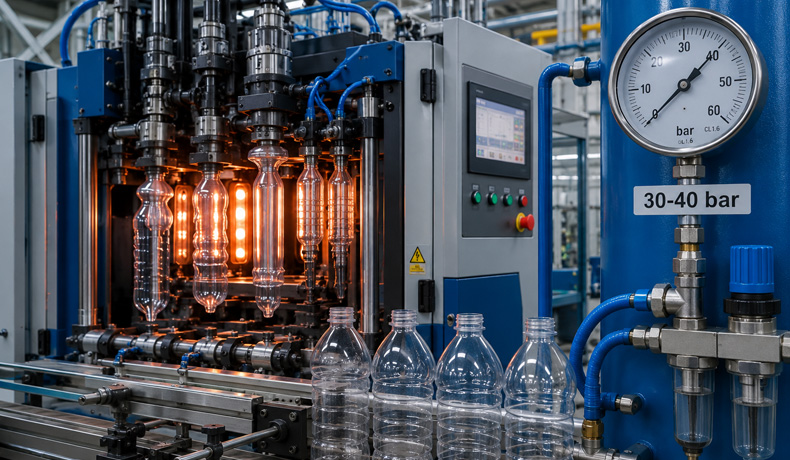
- Product Contamination: In industries like food and beverage, pharmaceuticals, and electronics manufacturing, even trace amounts of oil can contaminate the final product, leading to recalls and reputational damage.
- Damage to Downstream Equipment: Oil aerosols can coat and damage sensitive pneumatic tools, cylinders, valves, and air dryers, leading to premature failure and expensive repairs.
- Increased Operational Costs: When oil is not effectively separated and returned to the sump, it is carried out of the system. This leads to abnormally high oil consumption, requiring frequent top-offs and increasing lubrication expenses.
- Environmental and Safety Risks: Oil-laden condensate discharged from the system can violate environmental regulations if not properly treated, leading to potential fines. In some applications, oily air can create safety hazards.
The Core Working Principle: How Oil is Removed from Compressed Air
Most modern air compressor oil separators utilize a multi-stage process that combines mechanical and filtration methods. The process generally begins inside the separator tank, which also acts as the oil sump.
- Initial Mechanical Separation: The hot, high-velocity mixture of air and oil enters the separator tank tangentially. This creates a centrifugal or cyclonic motion, which throws the heavier oil droplets against the tank walls due to inertia. These larger droplets then coalesce and fall under gravity to the bottom of the tank.
- Fine Filtration: The air, now stripped of the largest oil droplets but still containing fine oil mist and aerosols, flows towards the separator element (filter). This element is the heart of the separation process.
- Oil Return: The oil collected at the bottom of the separator element is scavenged through a return line (scavenge line) back to the compressor's lubrication system, ensuring minimal oil loss.
Deep Dive: Types of Air Compressor Oil Separators
While the fundamental principle is similar, the technology used in the separator element is what truly defines its performance. The two primary types used in air compressors are coalescing and centrifugal separators.
The Coalescing Separator: The Industry Standard
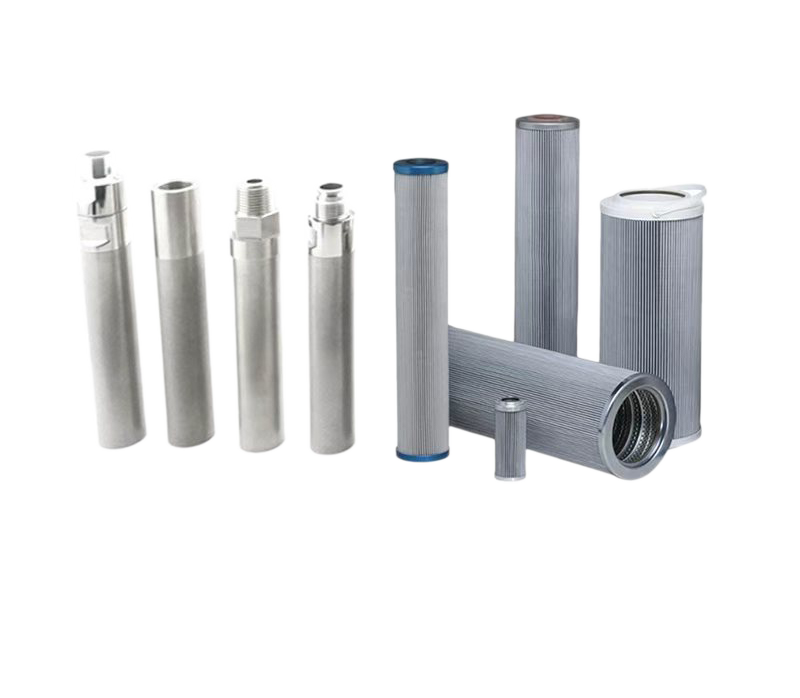
Coalescing separators are by far the most common and effective type for final-stage separation in oil-flooded compressors. They use a deep-bed fibrous filter medium.
As the air and fine oil aerosol mixture passes through this media, three mechanisms work to capture the oil:
- Direct Interception: Particles larger than the filter pores are simply blocked.
- Inertial Impaction: Larger aerosols, unable to follow the air's path around the fibers, collide with and stick to them.
- Diffusion: The smallest particles move randomly (Brownian motion) and eventually strike a fiber.
Once captured, these tiny droplets merge—or coalesce—into larger, heavier droplets on the filter fibers. Gravity then pulls these large drops to the bottom of the separator element, where they are collected and returned to the system. This method is highly effective at removing sub-micron oil particles.

The Centrifugal Separator: Harnessing Physical Force
Centrifugal, or cyclonic, separators rely purely on mechanical force and contain no filter media. They force the air into a high-speed spiral. The much denser oil particles are flung outward by centrifugal force, impacting the separator wall and draining down to be collected. While excellent for bulk oil removal, they are less effective at capturing the very fine aerosols that coalescing filters excel at. For this reason, they are often used as a primary or pre-separator stage before a final coalescing filter in systems with very high oil loads.
Key Performance Metrics: How is Separator Efficiency Measured?
The performance of an oil separator is measured by its oil carryover—the amount of oil that remains in the air after separation. This is typically expressed in parts per million (PPM) by weight. A high-performance coalescing separator can achieve an oil carryover rate of just 1-3 PPM. Furthermore, the quality of compressed air is often classified according to the international standard ISO 8573-1, which sets specific limits for particle, water, and oil content for different applications.
How to Select the Right Oil Separator for Your Compressor
Choosing the correct separator is crucial. While most separators are designed specifically for a compressor model, understanding the influencing factors is important, especially when considering aftermarket replacements. Key factors include:
- Compressor Type and Flow Rate (CFM): The separator must be sized to handle the maximum airflow of your compressor.
- Operating Pressure: The separator must be rated for the system's operating pressure.
- Required Air Quality: Critical applications may require multi-stage filtration to achieve extremely low oil carryover, potentially down to Class 1 or even Class 0 air quality.
| Factor | Coalescing Separator | Centrifugal Separator |
|---|---|---|
| Efficiency | Very High (1 - 5 PPM) | Moderate (Bulk liquid removal) |
| Application | Standard final filtration in screw/vane | Pre-filtration or high oil load applications |
| Maintenance | Regular element replacement required | Low maintenance, periodic cleaning only |
| Cost | Lower initial, ongoing consumable cost | Higher initial cost, very low ongoing cost |
A Step-by-Step Guide to Oil Separator Maintenance
Proper maintenance is non-negotiable for ensuring separator performance and longevity. The primary task is replacing the separator element when its pressure drop becomes too high.
- Safety First: Completely shut down and de-energize the compressor. Isolate it from the air system and fully depressurize the separator tank. Ensure the pressure gauge reads zero.
- Access the Separator: Remove any panels or piping that obstruct access to the separator tank lid.
- Remove the Old Element: Unfasten the bolts on the separator tank lid and carefully lift it off. You can now access and remove the old separator element. Be sure to remove the old gasket as well.
- Clean the Mounting Surface: Thoroughly clean the flange surface of the tank, removing any old gasket residue or grime.
- Install the New Element: Lightly lubricate the gasket on the new separator element with compressor oil. Carefully place the new separator into the tank. Ensure the grounding staples are intact to prevent static electricity buildup.
- Reassemble and Test: Replace the tank lid, tightening the bolts in a star pattern to ensure an even seal. Reconnect all piping. After starting the compressor, check for any air or oil leaks_._
Common Problems and Troubleshooting Your Oil Separator
- High Oil Carryover: This is the most common issue. It's often caused by a saturated or failed separator element that needs replacement. It can also result from a blocked oil scavenge line or running the compressor with too much oil.
- High-Pressure Drop: As the separator element clogs with dirt and oil, the pressure drop across it increases. This forces the compressor to work harder, consuming more energy. A high-pressure differential indicates it's time for a replacement.
- Separator Collapse: In rare cases, an extreme pressure differential can cause the separator element to collapse structurally, leading to catastrophic failure and a massive release of oil into the air system.
The Long-Term Benefits of Investing in a High-Quality Separator
Investing in a quality air-oil separator and adhering to a strict maintenance schedule delivers tangible benefits:
- Reduced Energy Consumption: A clean separator with low-pressure drop ensures your compressor operates at peak efficiency.
- Lower Lubricant Costs: Effective oil recovery and return minimizes oil consumption.
- Extended Equipment Life: Clean compressed air protects downstream tools and machinery from costly damage.
- Guaranteed Product Quality: Prevents product spoilage and ensures compliance with industry standards.
Ultimately, the air-oil separator is more than just a filter; it's a linchpin of a reliable, efficient, and clean compressed air system.