













How to Change Oil & Air Compressor Filter
Changing the oil and the filters is the cheapest insurance you can buy for a rotary screw compressor. The oil lubricates, seals, and cools the rotors; the oil filter traps metal particles and carbon; the intake air compressor filter keeps dust out of the compression chamber; and the oil separator pulls lubricating oil back out of the air stream. Skip any one of these and you pay for it in higher energy draw, accelerated wear, and contaminated downstream air. Done on schedule, this service can extend the airend's life by 30% or more.
1Why Regular Oil & Filter Changes Matter
Compressor oil is not just oil — it is a carefully balanced fluid with anti-wear, anti-foam, and demulsifying additives. Over time it oxidizes, thickens, and loses those properties. At the same moment, every filter in the loop slowly clogs, raising differential pressure (ΔP) and forcing the motor to work harder for the same air output.
A clogged intake air compressor filter alone can raise energy use by 2–5%. Add a spent oil filter bypassing contaminants back into the system, and you are looking at scored rotors and a premature airend rebuild.
2What You Are Actually Replacing
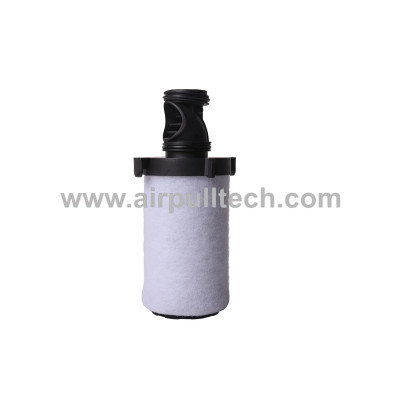
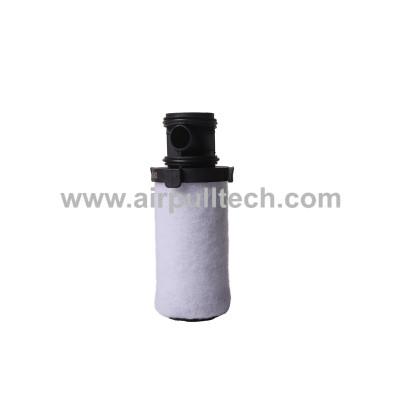
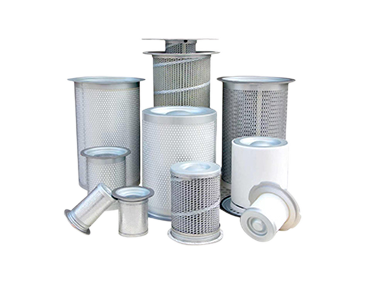
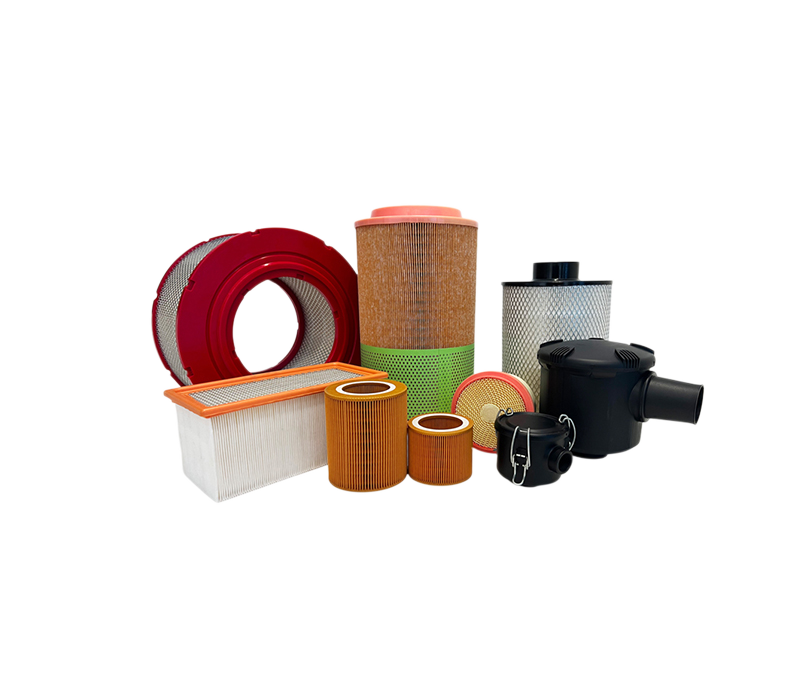
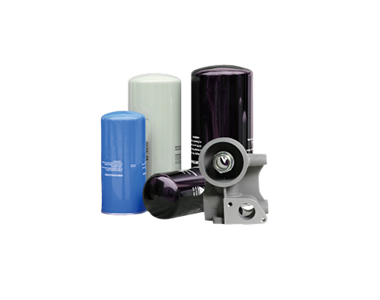
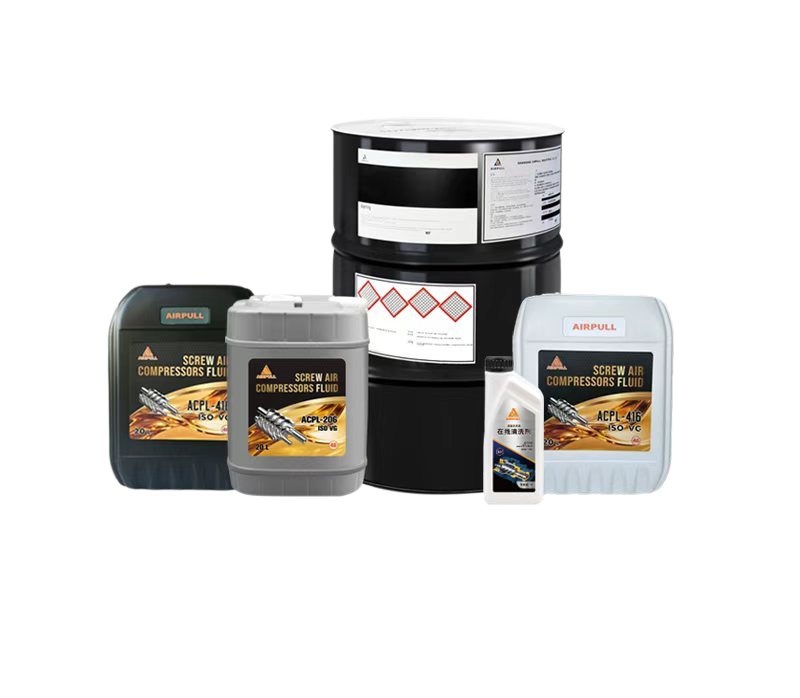
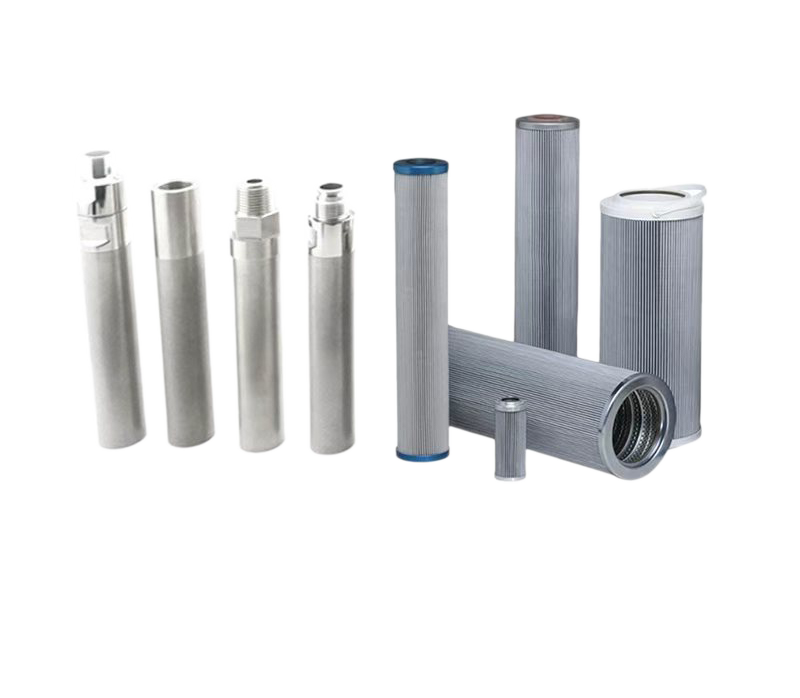
An "oil and filter change" is really four consumables. Treat them as one family of air compressor filter parts and replace them on a coordinated schedule:
| Part | Location | Job | Typical interval |
|---|---|---|---|
| Compressor oil | System oil circuit | Lubricate, seal, cool | 2,000–4,000 h |
| Oil filter | Oil line / filter head | Trap metal & carbon | 2,000–4,000 h |
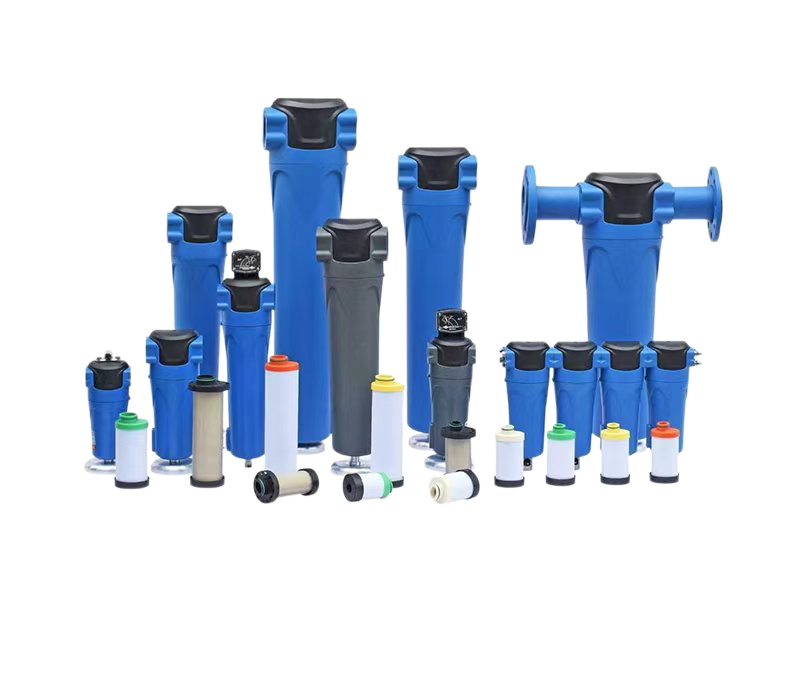
| Air intake filter | Compressor inlet | Block dust & dirt | 1,000–2,000 h |
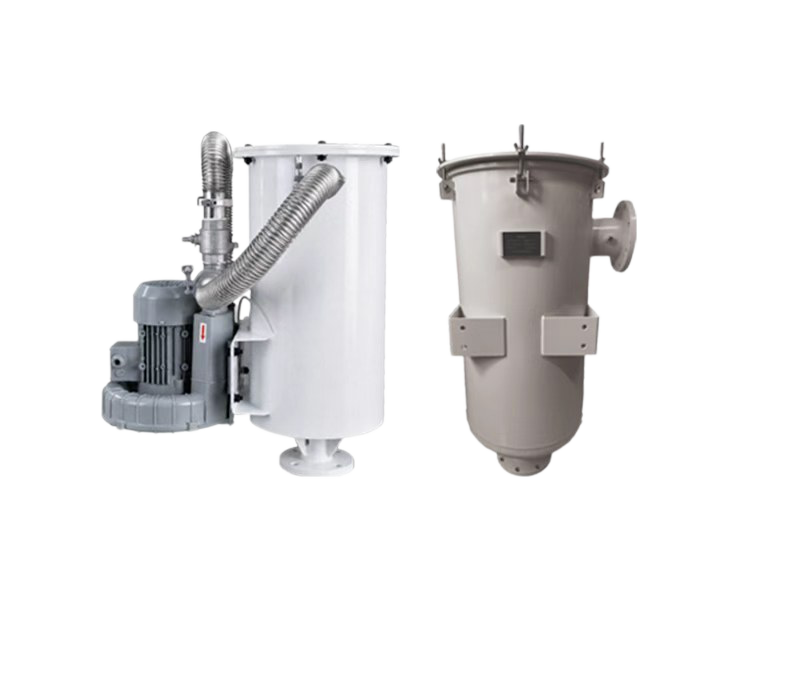
| Oil separator | Air/oil tank | Separate oil from air | 4,000–8,000 h |
Dusty or humid sites should shorten these intervals. When in doubt, follow the harshest condition in your manual.
3Safety First — Before You Touch Anything
- Stop the compressor and let it cool — hot oil and surfaces cause serious burns.
- Release all system pressure to zero (open the manual drain and blowdown valve).
- Lock out and tag out the main disconnect (LOTO) so no one restarts it.
- Confirm you have the correct oil type, the right oil filter, and matching gaskets.
- Have a drain pan, rags, torque wrench, and nitrile gloves ready.
4Step-by-Step: Change Oil & Filters
- Shut down and isolate. Power off at the disconnect, bleed pressure to 0, and apply your LOTO tag.
- Drain the old oil. Do it while the machine is still warm — warm oil flows freely and carries out more sludge. Catch it in a sealed container for recycling.
- Replace the oil filter. Pre-fill the new oil filter with clean oil, wipe the mating surface, lube the new O-ring, and spin it on by hand plus a quarter turn or to spec torque — never over-tighten.
- Replace the intake air compressor filter. Open the filter housing, discard the old element, vacuum out dust, seat the new filter, and re-seal the cover.
- Replace the oil separator if due — watch the center bolt torque and fit a fresh O-ring to avoid bypass leakage.
- Refill with the correct oil to the midpoint of the sight glass. Use the same brand and grade; never mix oils.
- Restart and inspect. Run the unit, check for leaks at every seal, and read ΔP after 30 minutes of run-in.
- Log it. Record hours, oil volume, part numbers, and the next-due date on the service sticker.
Never mix compressor oils. Different additive packages can react, form sludge, and destroy both the oil and the oil filter. If you must switch brands, flush the system completely first.
5Compatible With Leading Brands
Quality aftermarket kits are built to OEM dimensions for the major screw-compressor platforms:
6Common Mistakes to Avoid
- Mixing oil brands or grades — additive clash forms sludge.
- Installing a dry oil filter — the brief starvation can scuff bearings.
- Reusing the old O-ring or gasket — a $2 part causes leaks and oil carryover.
- Over-torquing the center bolt and crushing the separator.
- Over- or under-filling oil — both raise ΔP and shorten life.
- Chasing the calendar and ignoring ΔP — replace on condition, not just hours.
7Pre-Service Checklist
- OEM part numbers confirmed for oil, oil filter, and air compressor filter.
- Correct oil grade and enough volume on hand.
- Fresh O-rings and gaskets included in the kit.
- Torque wrench calibrated to spec.
- Drain pan and certified oil-recycling container ready.
- Service log / run-hour meter noted.
- LOTO procedure briefed to everyone nearby.
8Frequently Asked Questions
How often should I change compressor oil and filters?
A typical schedule is oil + oil filter every 2,000–4,000 hours, intake air compressor filter every 1,000–2,000 hours, and oil separator every 4,000–8,000 hours. Dusty, hot, or humid sites should shorten all of these — and always replace on rising ΔP, not just hours.
Can I mix different brands of compressor oil?
Not recommended. Different additive packages can react and form sludge that clogs the oil filter and starves the airend. If you must switch, fully flush the old oil and run a short interval before the next change.
What happens if I skip the oil filter change?
Once clogged, the bypass valve opens and lets unfiltered, metal-laden oil circulate. That scores rotors and bearings and can kill an airend long before its time. The oil filter is the cheapest part protecting your most expensive one.
Why is my new filter showing high differential pressure?
Usually the element was installed dry, the wrong direction, or the system still held trapped air/pressure at start-up. Also confirm you used the correct oil filter for the model and torqued it to spec — a crushed or mis-seated element spikes ΔP immediately.