Choosing the right air filter is essential for maintaining equipment performance, protecting industrial machinery, and reducing maintenance costs. But with so many filter products on the market, how do you identify a truly premium air filter?
A high-quality air filter is not defined by its appearance or price. Its performance depends on filtration efficiency, filter media, pressure drop, dust-holding capacity, structural design, and service life. Choosing an unsuitable filter can lead to insufficient filtration, excessive airflow resistance, premature replacement, and unplanned downtime.
Whether you are an air compressor manufacturer, industrial equipment distributor, or filtration product buyer, this guide explains what to check before placing an order.
01
Understand Your Application Requirements First
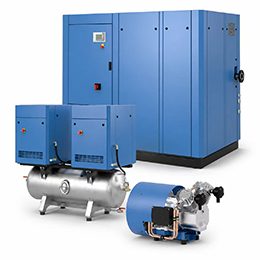
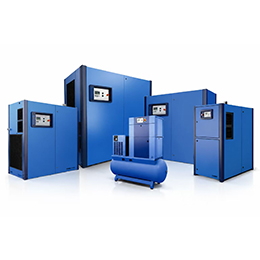
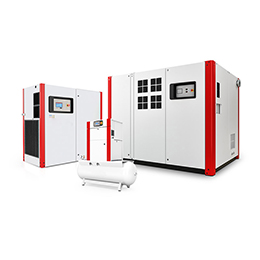
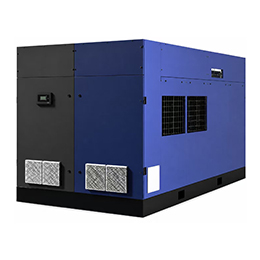
Before purchasing an air filter, you need to understand where and how it will be used. A filter suitable for a standard screw air compressor may not be appropriate for a high-temperature environment or a dust-intensive application.
Equipment Type: Screw compressors, centrifugal compressors, vacuum pumps, and other industrial equipment may require different filter designs.
Operating Environment: Dust concentration, humidity, temperature, and surrounding air quality affect filter selection.
Airflow Requirements: The filter must support the required airflow without excessive pressure drop.
Filtration Requirements: Select an appropriate filtration grade according to the equipment manufacturer's specifications.
Operating Conditions: Consider continuous operation, working pressure, and maintenance intervals.
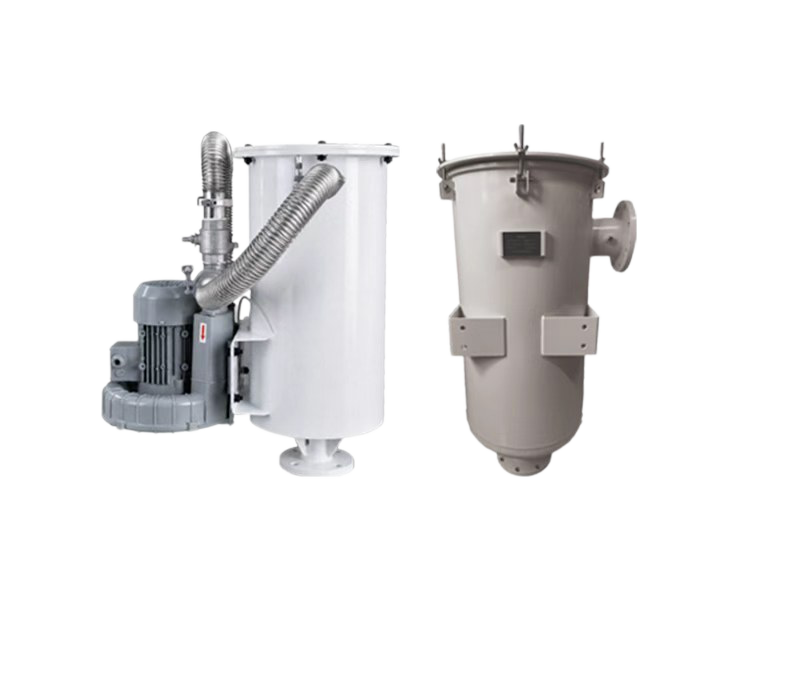
Image source: di.com.pl
Buyer's tip: Defining these requirements first helps avoid compatibility problems and unnecessary operating costs.
02
Check the Quality of Filter Media
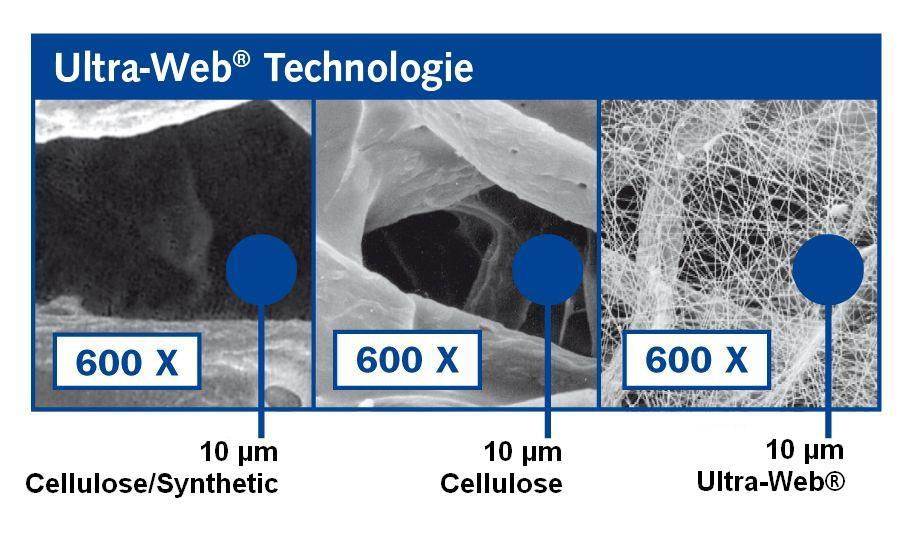
Filter media is one of the most important factors determining the performance of a premium air filter. Different materials offer different filtration characteristics, airflow resistance, dust-holding capacity, and environmental resistance.
Filter Media
Main Characteristics
Typical Applications
Synthetic Fiber
Good dust-holding characteristics and airflow performance
Industrial air filtration
Fine Glass Fiber
Suitable for high-efficiency filtration applications
Precision filtration
Wood Pulp Fiber
Commonly used in general air filtration
Standard compressor filters
Polyester Nonwoven
Good structural flexibility and dust filtration characteristics
Industrial dust filtration
Stainless Steel Mesh
Durable and suitable for certain reusable applications
Special industrial filtration
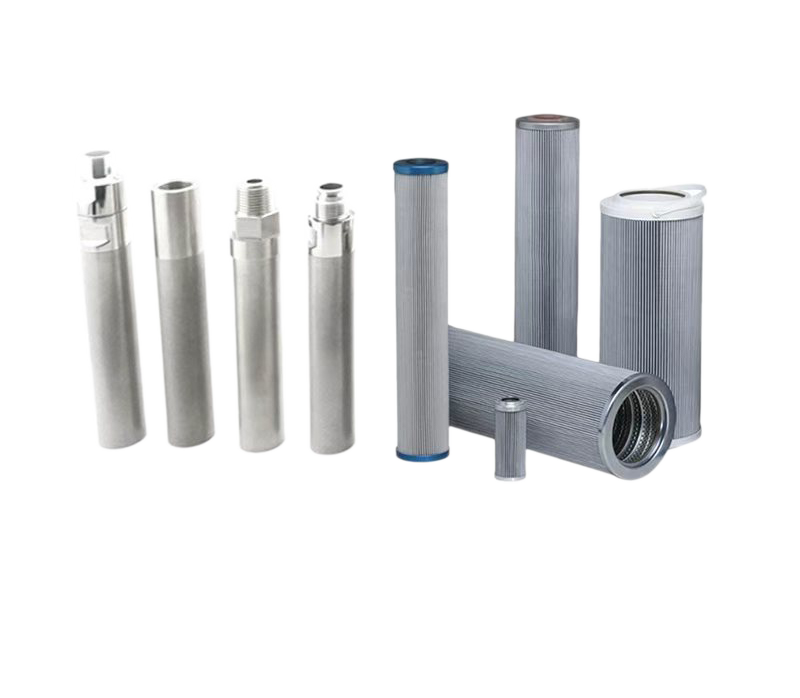
Image source: woku.de
When evaluating filter media, pay attention to fiber quality and material consistency, media uniformity, filtration efficiency at the required particle size, air permeability, resistance to operating temperature and humidity, and compatibility with the application.
Key point: A premium air filter uses media that matches the actual operating conditions, not simply the most expensive material.
03
Evaluate Filtration Efficiency
Filtration efficiency measures how effectively an air filter captures particles from the incoming airflow. Insufficient filtration allows dust and contaminants to enter the equipment, increasing wear and maintenance requirements.
Particle Capture Performance
Check the filter's ability to capture particles of the sizes relevant to your application.
Filtration Consistency
A high-quality filter should provide consistent performance across its effective filtration area.
Sealing Performance
Even high-efficiency filter media cannot protect equipment if air bypasses the filter through damaged seals or poorly fitted connections.
Test Reports
Ask the supplier for relevant filtration test reports and technical specifications.
Remember: Efficiency must be evaluated using an appropriate test method and particle-size range. Different applications require different performance standards.
04
Pay Attention to Initial Pressure Drop
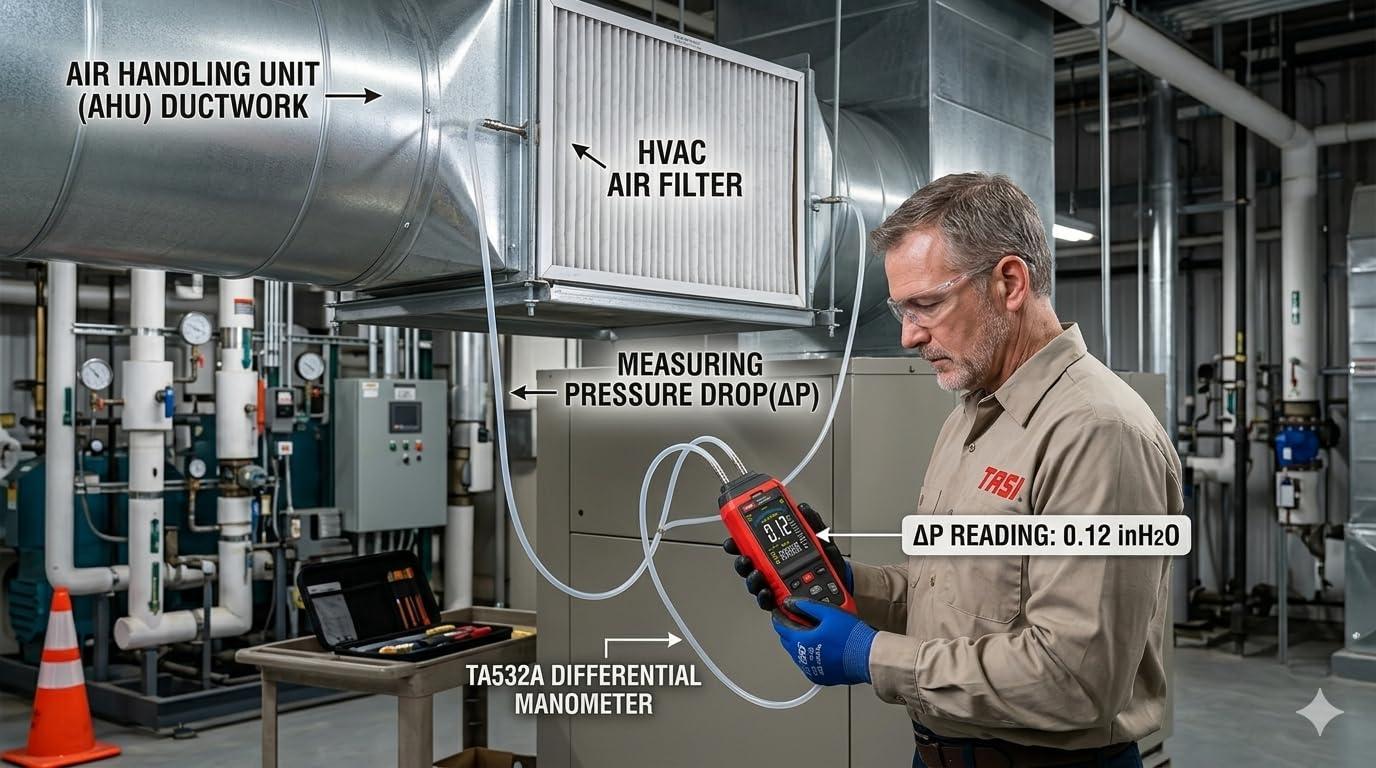
Pressure drop is the pressure difference between the inlet and outlet of a filter when air passes through it. A filter with excessive initial pressure drop creates unnecessary airflow resistance and may increase the energy required to operate the system.
Initial differential pressure.
Rated airflow capacity.
Filter media area.
Filter structure and pleat design.
Pressure drop under actual operating conditions.
Image source: manuals.plus
Do not judge by one number: A good air filter balances filtration efficiency and airflow resistance. Extremely low resistance is not necessarily evidence of good filtration performance.
05
Check Structural Design and Manufacturing Quality
Even with high-quality media, poor structural design can affect overall performance. A premium air filter should have a reliable structure that maintains its shape and sealing performance during operation.
Filter Media Support
The support structure should help prevent media deformation under the specified operating conditions.
End Caps
End caps should be securely bonded and properly aligned to maintain structural integrity.
Sealing Rings
Seals should provide a reliable connection between the filter and equipment housing to prevent unfiltered air from bypassing the element.
Pleat Design
Uniform pleat spacing helps make effective use of the filtration area and supports stable airflow.
These details may seem small, but they can make a significant difference in filter reliability and operating performance.
06
Consider Service Life and Total Operating Cost
A lower purchase price does not always mean a lower operating cost. Buyers should consider the total cost over the filter's service life rather than focusing only on the initial price.
Purchase price.
Expected service life under comparable operating conditions.
Pressure drop and associated energy consumption.
Maintenance frequency.
Replacement labor costs.
Potential equipment downtime.
A filter with a higher initial price may offer better value if it maintains stable filtration performance and reduces unnecessary maintenance. However, actual service life depends on operating conditions, contamination levels, airflow, and maintenance practices. Always compare products under equivalent conditions.
07
Verify Product Compatibility Before Purchasing
Compatibility is especially important when purchasing replacement air filters for industrial compressors. Even filters with similar dimensions may differ in sealing structure, filtration media, airflow capacity, and installation requirements.
Information
What to Check
Equipment Brand
Compressor or equipment manufacturer
Equipment Model
Exact machine model
OEM Part Number
Original reference number
Filter Dimensions
Length, diameter, and connection size
Filter Structure
End caps, seals, and installation design
Performance Requirements
Airflow, filtration efficiency, and pressure drop
If the original OEM number is unavailable: Provide product photographs, dimensions, and equipment nameplate information to your supplier so a compatible replacement can be identified.
08
Choose a Reliable Air Filter Manufacturer
Product quality matters, but choosing the right supplier is equally important for long-term cooperation. For B2B buyers, a reliable filter manufacturer should offer more than standard products.
Manufacturing Experience: Established experience in industrial filtration and a clear understanding of different compressor applications.
Production Capacity: A stable production system helps ensure consistent product quality and reliable order fulfillment.
Quality Control: Ask about raw material inspection, production testing, finished product inspection, and quality management systems.
Product Range: A comprehensive range simplifies purchasing and provides solutions for different equipment brands.
Customization Capabilities: OEM part number cross-referencing, dimensional matching, and customized filter development are valuable services for distributors and industrial buyers.
09
Why Work with AIRPULL?
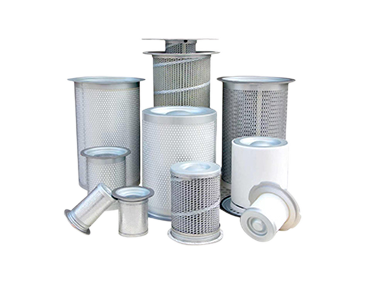
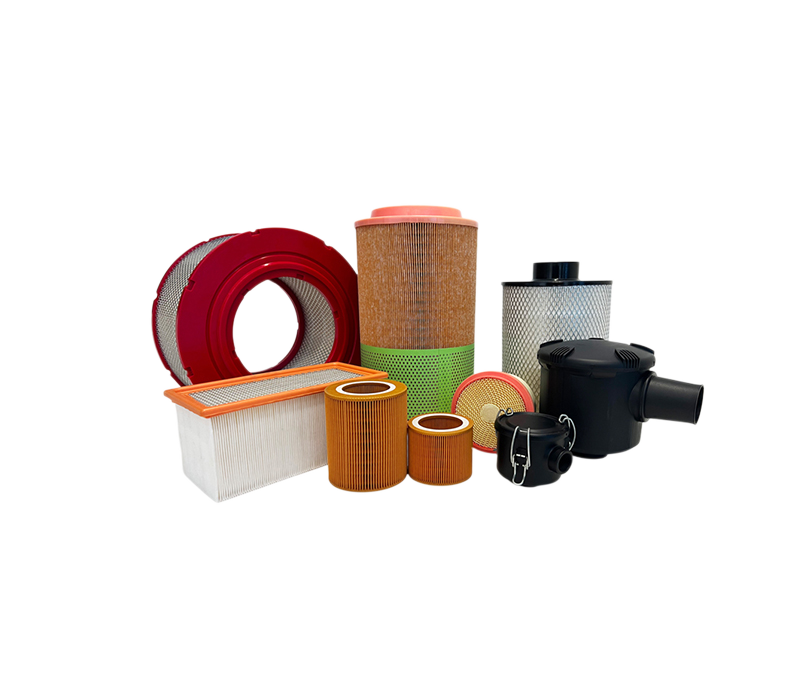
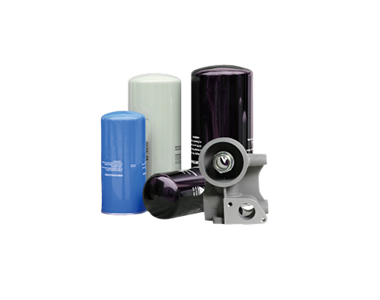
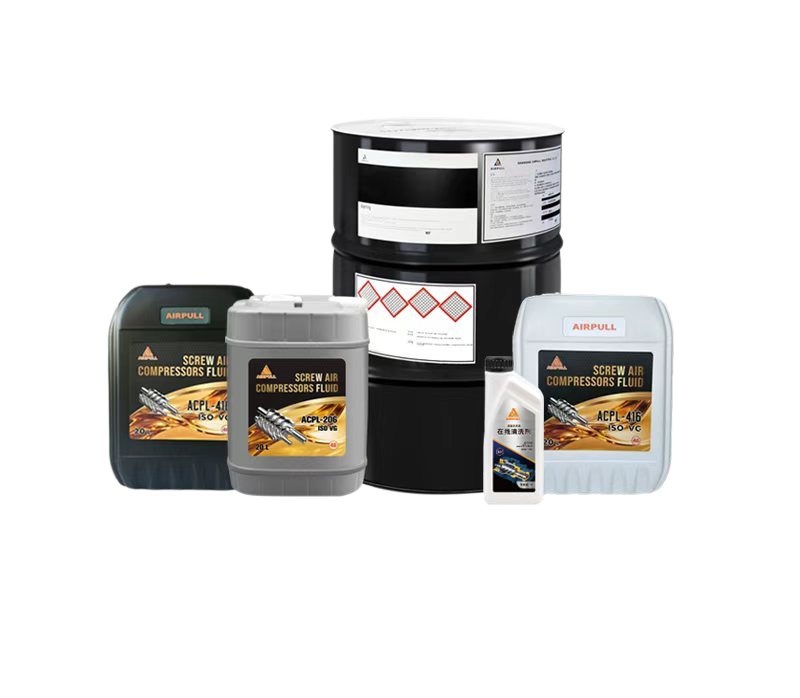
AIRPULL has specialized in air compressor filtration since 1996, providing filter products and customized filtration solutions for global industrial customers. With extensive manufacturing experience and a comprehensive product portfolio, AIRPULL supports different compressor brands, equipment models, and industrial filtration requirements.
Our Product Range
Air Filter Elements
Oil Filter Elements
Oil Separator Elements
Precision Filter Elements
Industrial Filtration Products
Customized Filter Solutions
What We Offer
Decades of filtration manufacturing experience since 1996.
Modern intelligent manufacturing facilities.
An extensive product range covering different compressor applications.
OEM part number identification and compatible replacement solutions.
Customized product development and technical support.
Different customers have different purchasing requirements. Whether you need standard replacement filters, bulk orders, or customized filtration products, AIRPULL is ready to support your business.
10
Frequently Asked Questions
Q1: What makes a premium air filter different from a standard air filter?
A premium air filter is characterized by suitable filtration media, consistent filtration efficiency, controlled pressure drop, reliable structural design, and stable performance under specified operating conditions.
Q2: Which filter media is best for industrial air filters?
There is no single best material for every application. Synthetic fiber, glass fiber, wood pulp fiber, polyester nonwoven, and stainless steel mesh all have different characteristics. The right choice depends on filtration requirements and operating conditions.
Q3: How do I know if an air filter has good filtration efficiency?
Check the manufacturer's technical specifications and test reports. Make sure the efficiency is measured using a suitable test method and relevant particle-size range.
Q4: Does a premium air filter have a longer service life?
Not necessarily in every application. Service life depends on filter design, media quality, airflow, dust concentration, and operating conditions.
Q5: How can I find a compatible replacement air filter?
Provide the original OEM part number, compressor brand, equipment model, filter dimensions, or product photographs. A professional filter manufacturer can help identify a suitable compatible replacement.
Q6: Why is pressure drop important when selecting an air filter?
Pressure drop indicates the resistance to airflow. Excessive pressure drop may increase energy consumption and affect equipment performance.
Q7: Can AIRPULL provide customized air filters?
Yes. AIRPULL can support product identification, dimensional matching, compatible replacement solutions, and customized filtration products according to customer requirements.
Looking for a dependable premium air filter supplier? Send us your OEM part number, equipment model, product dimensions, or technical requirements, and our team will help identify the right filtration solution for your application.
For product information and a competitive quote, contact AIRPULL.