












How to Choose the Best Oil Separator
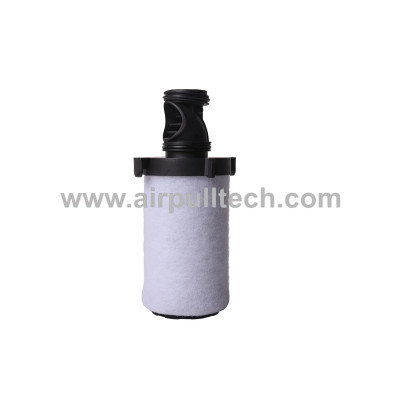
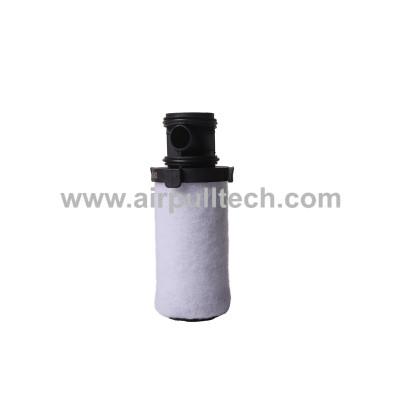
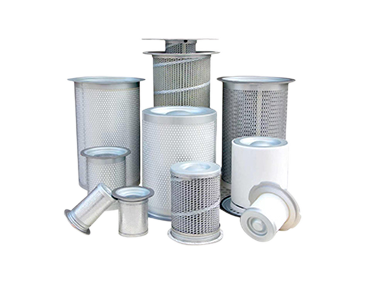
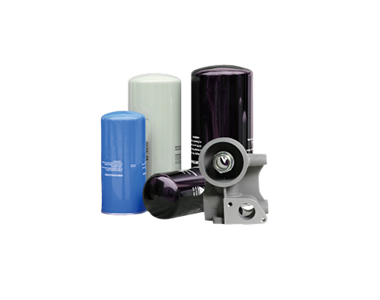
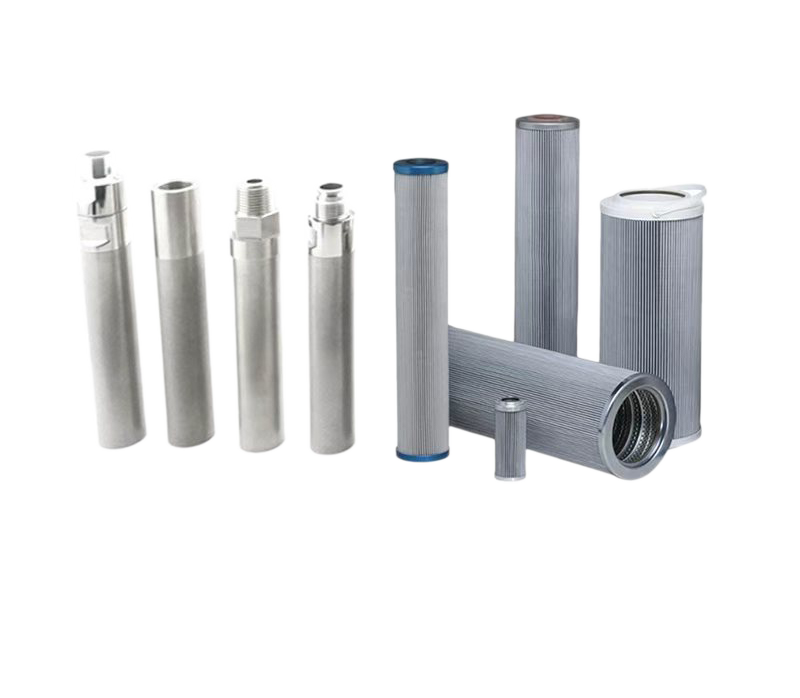
Oil separators — often called air/oil separators or coalescing separators — sit at the heart of every rotary screw compressor. After compressed air leaves the compression element, it still carries a fine mist of lubricating oil. The best oil separator pulls that oil out of the air stream, returns it to the sump, and lets only clean, dry air move downstream. Get this part wrong and you pay for it three times: in wasted oil, in failed air-quality specs, and in the extra energy needed to push air through a clogged element.
This guide walks you through what an oil separator actually does, what separates a great one from a mediocre one, and a practical six-step method to match the right compressor filter to your exact machine.
1What an Oil Separator Does (and Why It Matters)
Inside a rotary screw compressor, oil does three jobs: it seals the rotors, it cools the air, and it lubricates. But once air and oil mix in the compression chamber, they have to be split again before the air is usable. That is the oil separator's only job — and it has to do it at pressure, continuously, for thousands of hours.
A failing separator lets oil "carry over" into your air line. That contaminates pneumatic tools, ruins paint and product finishes, clogs downstream compressor filters, and can breach ISO 8573-1 Class 1 limits for oil aerosol.
The separation happens by coalescence: air loaded with tiny oil droplets passes through a deep bed of fine borosilicate glass fibers. Small droplets collide, merge, and grow heavy enough to drain back by gravity. A well-designed element achieves residual oil content as low as 1–3 mg/m³ (roughly 1–3 ppm by mass) at rated conditions.
2What Makes the "Best" Oil Separator?
"Best" is not the cheapest, and it is not the one with the highest efficiency on paper. The best oil separator is the one that holds the lowest total cost of ownership across its service life. Five specs decide that:
| Specification | What good looks like | Why it matters |
|---|---|---|
| Residual oil content | ≤ 3 mg/m³ (1–3 ppm) | Clean air, compliant with ISO 8573-1 |
| Differential pressure (ΔP) | 0.1–0.25 bar at rated flow | Lower ΔP = less energy to push air through |
| Service life | 4,000–8,000 hours | Fewer changeouts, less downtime |
| Media construction | Borosilicate glass fiber, multi-layer | Stable efficiency, no media migration |
| Build & seals | Welded core, nitrile/Viton gaskets | No bypass leakage at pressure |
ΔP is the hidden cost. Every 0.1 bar of extra pressure drop at the separator can mean ~1% more compressor energy. Over a year, a slightly better element often pays for itself in electricity alone.
3The 6-Step Selection Method
Follow these six steps and you will never guess again. This is the same workflow our engineers use when matching a best oil separator to a client's machine.
- Confirm your compressor brand and model. Ingersoll Rand, Atlas Copco, Sullair, Kaeser, CompAir, Fusheng — each uses a different housing, thread, and seal geometry.
- Find the OEM part number. It is stamped on the old element or listed in the manual. This is your single source of truth for dimensions and port style.
- Know your air-quality class. Check the ISO 8573-1 oil-aerosol class your process requires (e.g. Class 1 = ≤0.01 mg/m³). That sets the minimum efficiency bar.
- Match flow and pressure. Rated air flow (m³/min or CFM) and max working pressure must fall inside the replacement element's envelope — oversize slightly for safety margin.
- Verify dimensions, thread, and gasket. Outer diameter, height, center-bolt thread, and O-ring profile must be identical, or you risk bypass leakage.
- Get written spec confirmation from the supplier. Ask for residual oil content, ΔP at rated flow, and expected life — in writing, not just "it fits."
"Compatible" is not "identical." A no-name element that looks the same on the outside can have 2× the ΔP and half the life. Always compare the numbers in step 6 before you buy.
4Oil Separator vs Other Compressor Filters
An oil separator is one member of the compressor filter family. Knowing the difference prevents mix-ups:
| Filter type | Location | Removes |
|---|---|---|
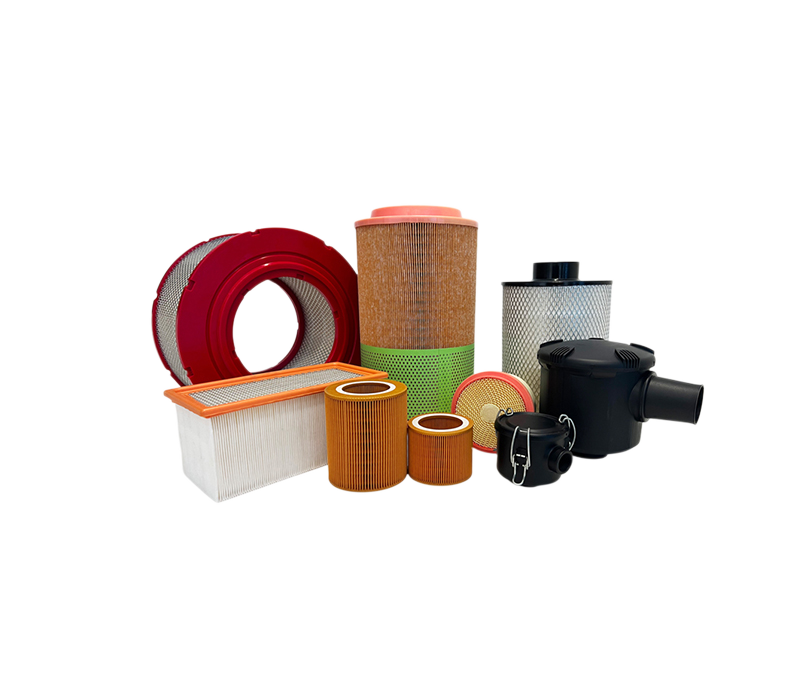
| Air intake filter | Compressor inlet | Dust, dirt from ambient air |
| Oil separator | Air/oil tank | Oil mist from compressed air |
| Oil filter | Oil circuit | Carbon, sludge in the oil |
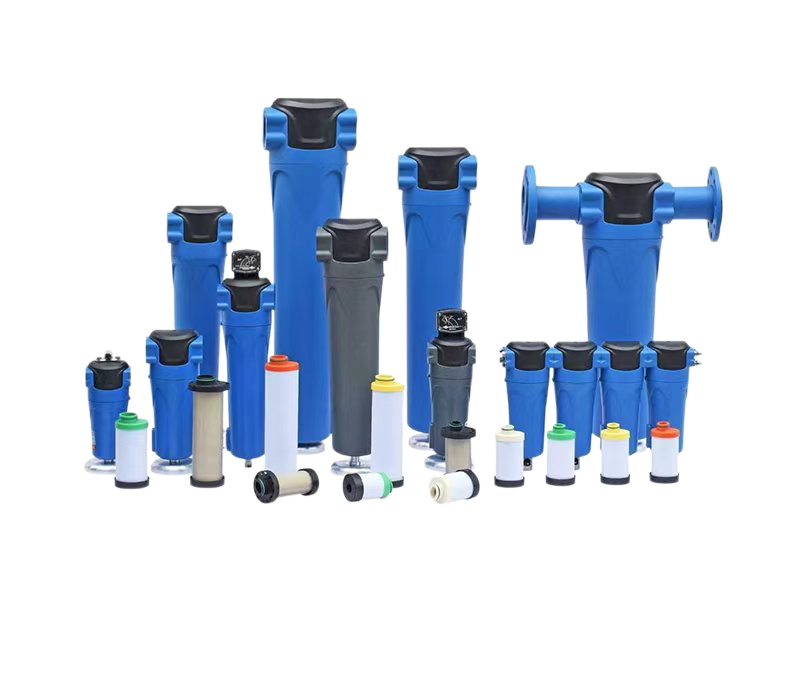
| Coalescing / line filter | Downstream air line | Remaining oil aerosol & particles |
All four wear out on different schedules. The oil separator typically lasts longest, but it is the most expensive to ignore — so track its ΔP, not just its calendar age.
5Compatible With Leading Brands
Quality aftermarket elements are engineered to OEM dimensions for the major screw-compressor platforms:
6Common Selection Mistakes
- Buying on price alone and ignoring ΔP — the energy penalty quietly costs more than the savings.
- Reusing the old gasket or O-ring — a $2 part causes bypass and oil carryover.
- Mismatching the thread or center bolt — forces a poor seal and shortens life.
- Assuming all "3 ppm" claims are equal — test conditions (flow, pressure, oil type) differ.
- Skipping the post-install leak check — a slow seep wastes oil for months.
7Pre-Install Checklist
- OEM part number confirmed against the old element.
- Dimensions, thread, and gasket profile verified identical.
- Supplier provided written residual-oil and ΔP figures.
- New O-rings and gaskets included in the kit.
- Replacement done with clean oil and a torque wrench to spec.
- ΔP gauge read after 30 minutes of run-in.
- Residual oil checked against your ISO 8573-1 class.
8Frequently Asked Questions
How often should I replace my oil separator?
Typical service life is 4,000–8,000 hours, but the real signal is differential pressure. Replace when ΔP approaches the manufacturer's limit (often 0.4–0.5 bar), even if hours look low — heavy duty cycles age elements faster.
Can a compatible oil separator really match OEM quality?
Yes — a well-engineered aftermarket element built to the same dimensions and media spec can match or beat OEM on residual oil and ΔP. The key is verifying the written specs, not the brand label. That is exactly how you find the best oil separator for the money.
What residual oil content do I need?
It depends on your ISO 8573-1 class. General plant air is often fine at 3 mg/m³ (Class 4–5), while painting, food, or pharma lines may need Class 1 (≤0.01 mg/m³), which usually means an oil separator plus a downstream coalescing line filter.
Why is my new separator showing high ΔP immediately?
Usually a blocked inlet, wrong element size, or a sealed vent. Also confirm you used the correct gasket and didn't over-tighten the center bolt, which can crush the element. If specs were misstated by the supplier, that is the step-6 confirmation catching a bad part.