








How to Clean an Air Filter: A Step-by-Step Guide
Introduction
An air filter separator plays an important role in maintaining compressed air quality and protecting compressor equipment. Over time, dust, dirt, oil residues, and other contaminants can accumulate on filtration components, potentially restricting airflow and reducing filtration efficiency.
Regular inspection and proper maintenance can help extend equipment service life, maintain stable performance, and reduce unnecessary operating costs.
But can you clean an air filter separator? What is the correct cleaning method? And when should you replace it instead?
In this guide, we will explain how to inspect and clean an air filter separator, common mistakes to avoid, and when replacement is the better option.
1. What Is an Air Filter Separator?
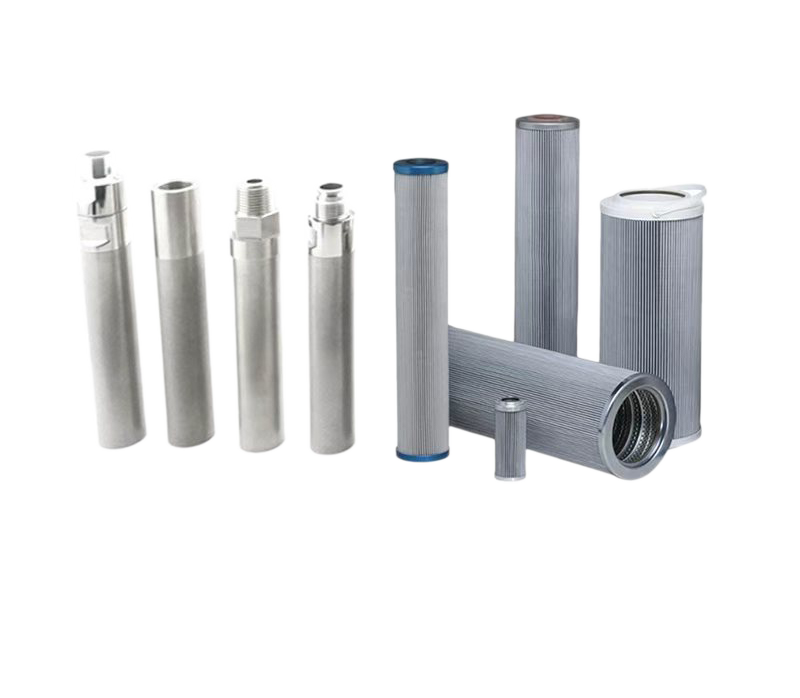
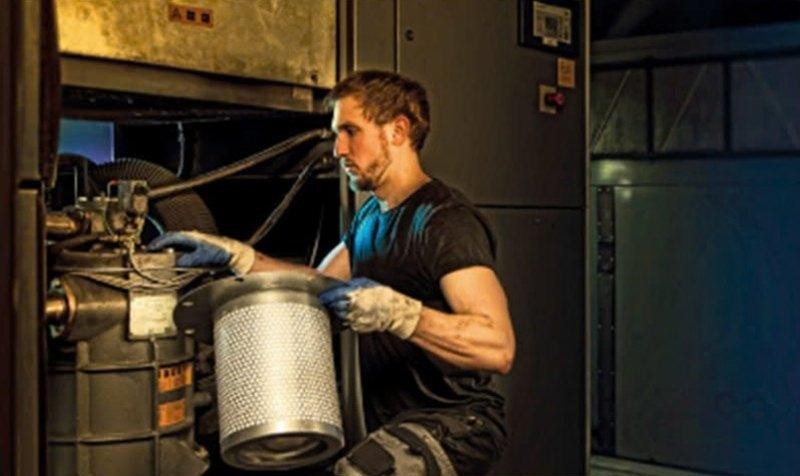
An air filter separator is a filtration component designed to remove contaminants from airflow or separate unwanted particles and liquids, depending on its application and construction.
In industrial air compressor systems, filtration components perform several important functions:
- Dust Removal: Captures dust, dirt, and airborne particles.
- Oil Separation: Helps separate oil droplets from compressed air.
- Equipment Protection: Reduces contamination that could damage downstream equipment.
- Air Quality Improvement: Helps maintain the required compressed air quality.
Different types of air filter separators use different filtration materials and structures. Therefore, cleaning methods should always depend on the specific filter design.
2. Can You Clean an Air Filter Separator?
The answer depends on the type of filter element. Not every air filter separator is designed to be cleaned and reused.
| Filter Type | Cleaning Recommendation |
|---|---|
| Stainless Steel Mesh Filter | May be cleaned if designed for reuse |
| Paper Filter Element | Generally requires replacement |
| Glass Fiber Filter | Generally requires replacement |
| Oil Separator Element | Usually requires replacement rather than cleaning |
Important: Always follow the manufacturer's maintenance instructions. Washing or aggressively cleaning disposable filter elements may damage the filtration media and reduce filtration efficiency.
3. How to Clean an Air Filter Separator: Step-by-Step
If your air filter separator is specifically designed for cleaning, follow these general maintenance steps.
Step 1: Shut Down the Equipment
Before performing maintenance, turn off the compressor or related equipment.
Make sure the system is completely depressurized and has cooled down. Disconnect the power supply and follow the equipment manufacturer's safety procedures.
Never remove a filter housing under pressure.
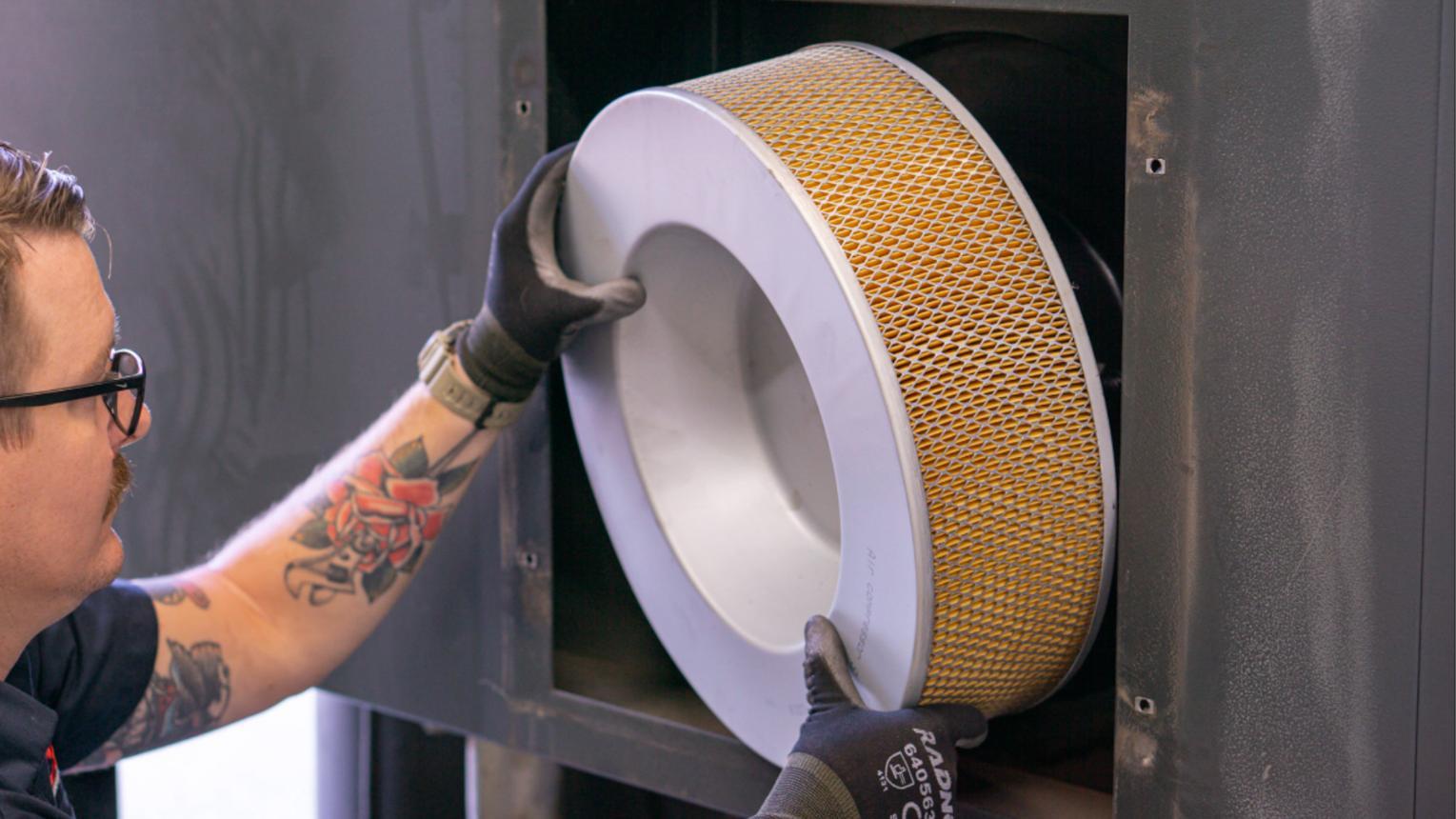
Step 2: Remove the Filter Element
Open the filter housing according to the manufacturer's instructions.
Carefully remove the air filter separator element. Avoid hitting, squeezing, or scratching the filter media during removal.
Step 3: Inspect the Filter Element
Before cleaning, check the element for visible contamination and physical damage.
Look for:
- Excessive dust or dirt accumulation.
- Oil contamination or sticky residues.
- Cracks, deformation, or damaged filter media.
- Broken end caps or loose connections.
- Damaged or hardened sealing rings.
If the filter media is torn, deformed, or heavily contaminated, replacement is recommended instead of cleaning.
Step 4: Clean the Filter Element Using an Approved Method
For reusable filter elements, select a cleaning method suitable for the filter material.
Possible methods include:
- Low-pressure air cleaning: Suitable only for certain reusable elements.
- Approved cleaning solutions: Use cleaning agents recommended for the filter material.
- Water rinsing: Only applicable to filter elements specifically designed to withstand water cleaning.
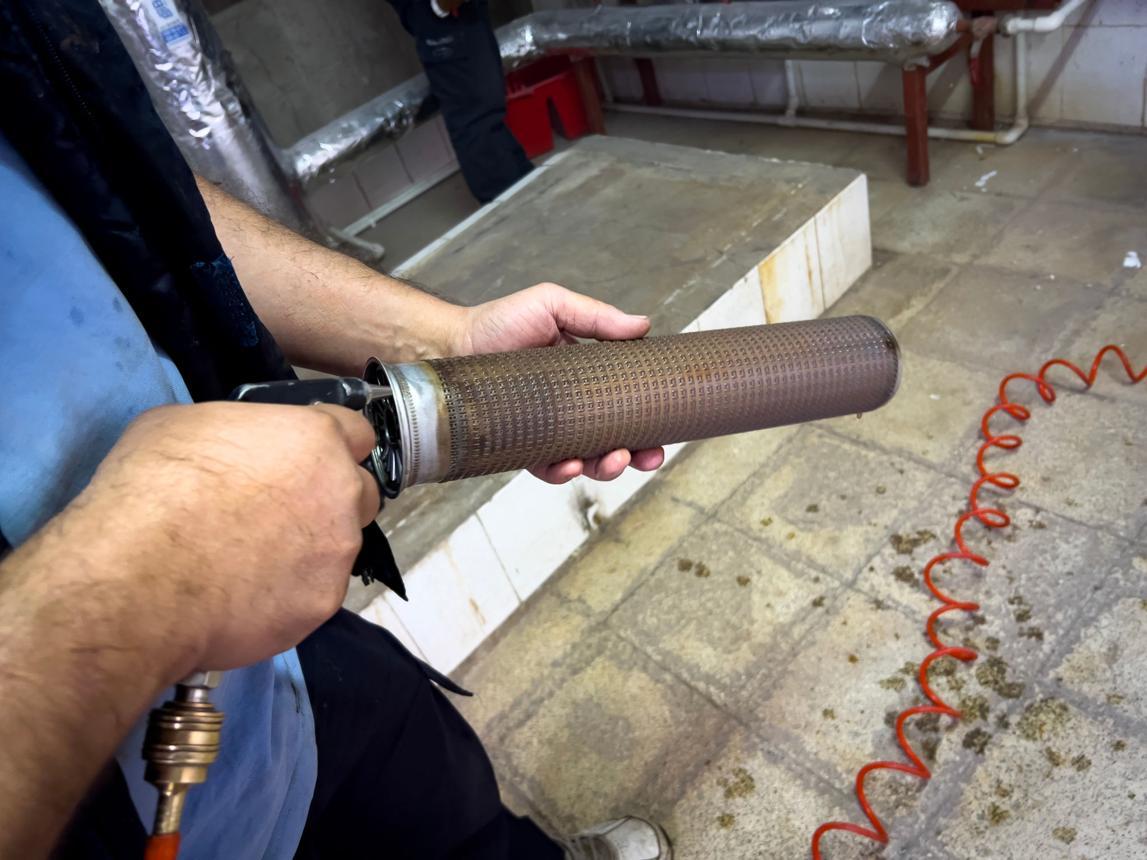
Do not use high-pressure air guns, harsh chemicals, or aggressive brushes on delicate filter media.
Step 5: Dry the Filter Element Completely
If water-based cleaning is permitted, allow the element to dry completely according to the manufacturer's instructions.
Moisture left inside the filter media can cause corrosion or contamination in the compressed air system.
Never reinstall a wet filter element.
Step 6: Reinstall and Check the Filter
After cleaning and drying, inspect the element again.
Check that the filter media, end caps, and sealing rings remain in good condition.
Reinstall the filter element in the correct direction and ensure the housing is properly sealed.
Restart the equipment according to the manufacturer's procedure and check for air leakage, abnormal pressure drop, or unusual operating conditions.
4. Common Mistakes When Cleaning an Air Filter Separator
Incorrect cleaning can cause more damage than normal operation. Avoid these common mistakes:
1. Using Excessive Compressed Air Pressure
High-pressure air can damage delicate filter media and reduce filtration efficiency.
2. Washing Disposable Filter Elements
Many industrial filter elements are designed for replacement rather than washing.
3. Ignoring Differential Pressure
A filter may look clean from the outside but still have internal contamination. Always monitor differential pressure.
4. Reusing Damaged Filter Elements
Cracked media, loose end caps, and damaged seals can allow contaminants to bypass the filter.
5. Extending Replacement Intervals Too Long
Cleaning should never be used as a reason to exceed the recommended service life of a filter element.
5. When Should You Replace an Air Filter Separator?
Cleaning is not always the most economical or reliable solution. Consider replacing your air filter separator when:
- Differential pressure exceeds the manufacturer's recommended limit.
- Airflow becomes restricted.
- The filter media is damaged or deformed.
- Oil or dust contamination cannot be effectively removed.
- The filter has reached its recommended service life.
- Filtration performance no longer meets equipment requirements.
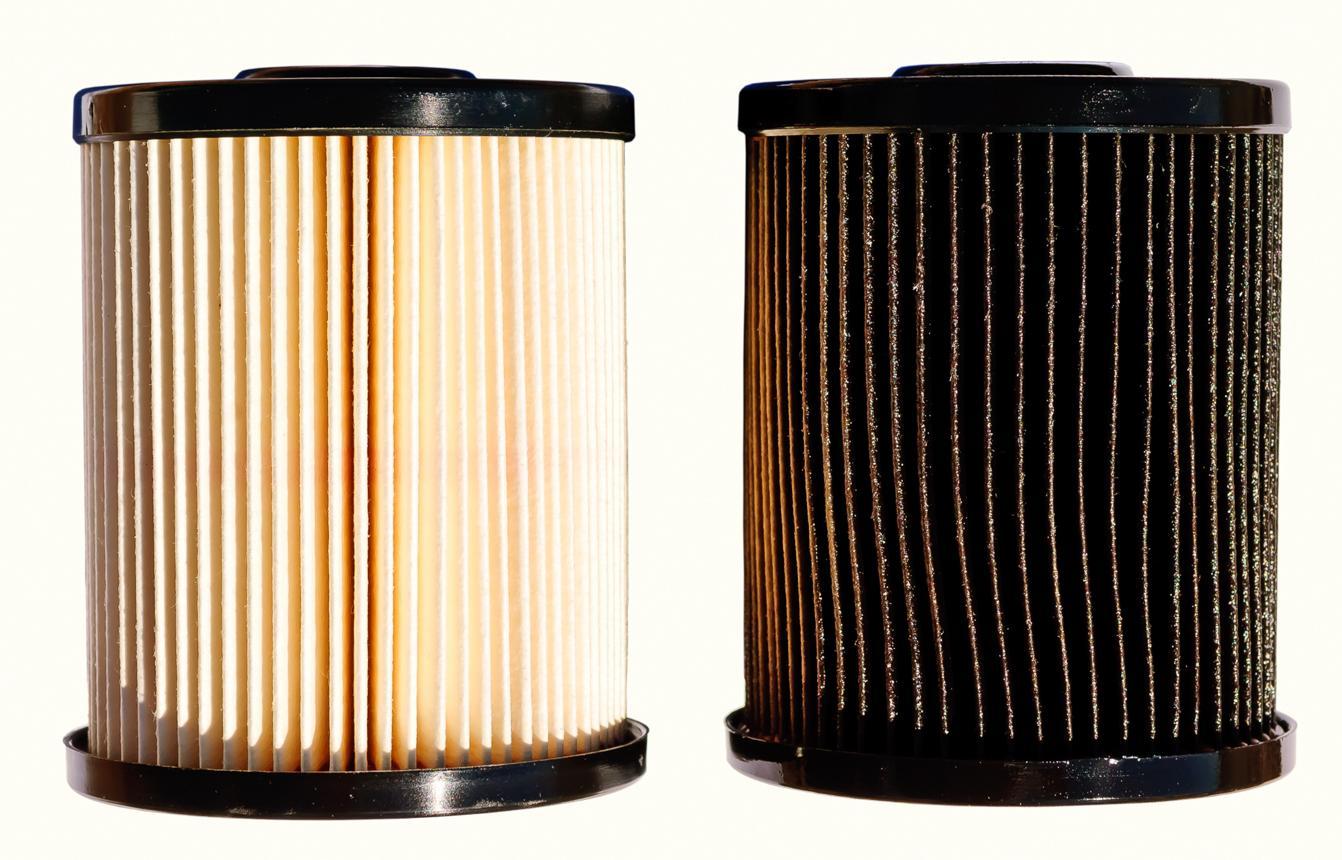
For screw air compressors, regular inspection of air filters, oil filters, and oil separator elements is particularly important.
Replacing a worn filter at the right time helps protect compressor components, maintain operational efficiency, and reduce the risk of unexpected downtime.
6. How to Extend the Service Life of an Air Filter Separator
Proper maintenance can help maximize filter performance and avoid unnecessary replacement costs. Here are five practical recommendations:
- Inspect filter elements regularly based on operating conditions.
- Monitor differential pressure to identify potential blockage.
- Keep the surrounding environment clean and reduce dust exposure.
- Use filter elements that meet the equipment's filtration requirements.
- Follow the manufacturer's recommended maintenance and replacement intervals.
Choosing the correct filtration product from the beginning is equally important.
7. Choose Reliable Air Filter Separators from AIRPULL
Looking for reliable air filter separators and compressed air filtration products?
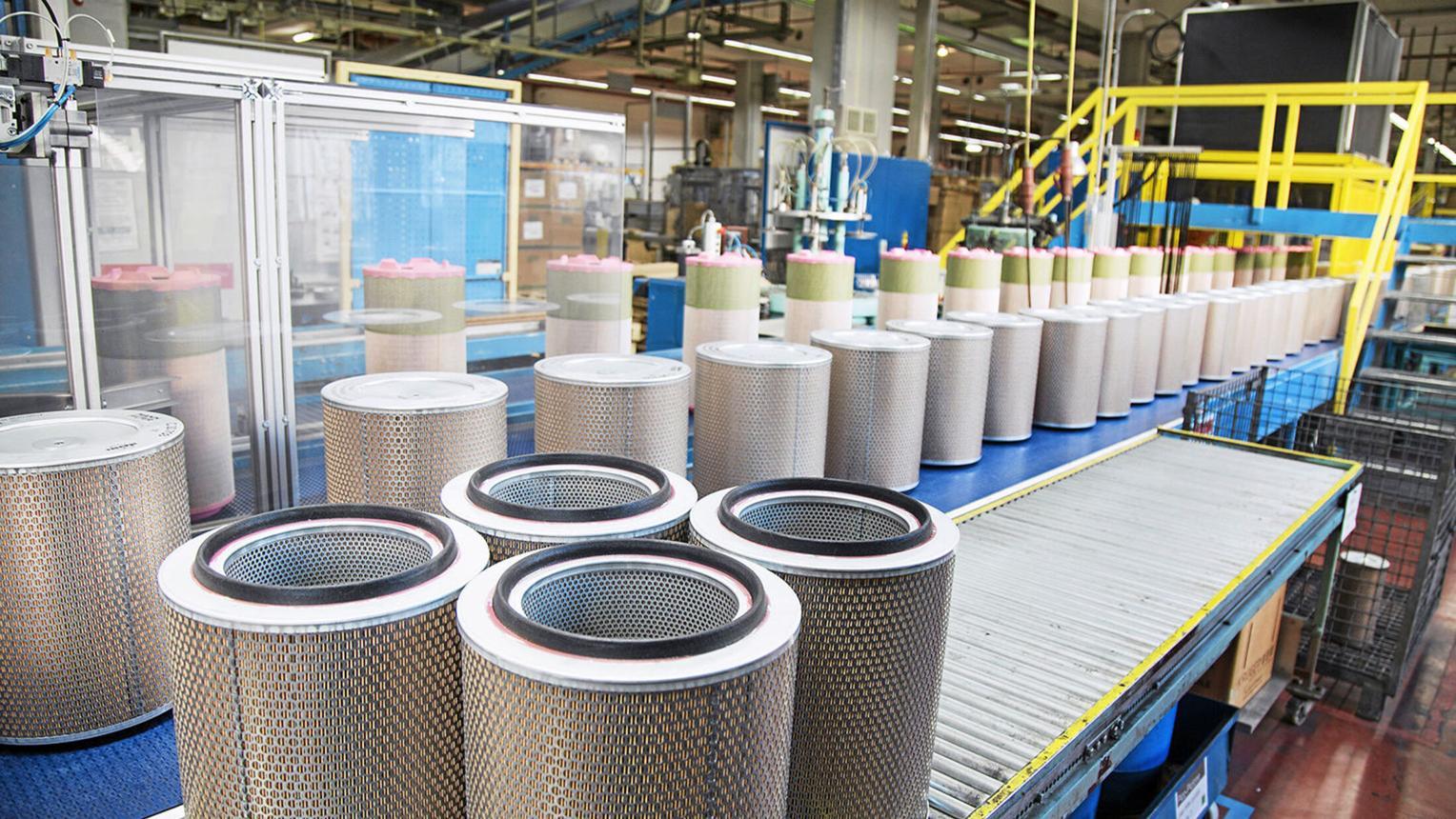
AIRPULL has been specializing in air compressor filtration since 1996. With extensive manufacturing experience and a comprehensive product range, we provide filtration products and compatible solutions for various industrial compressor applications.
Our product range includes:
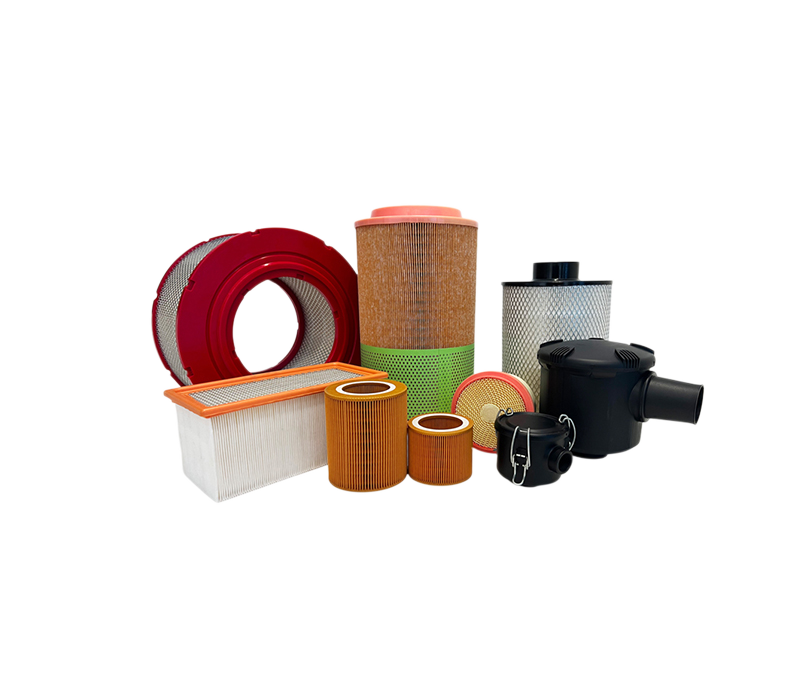
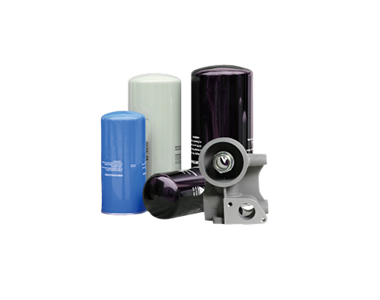
- Air Filter Elements
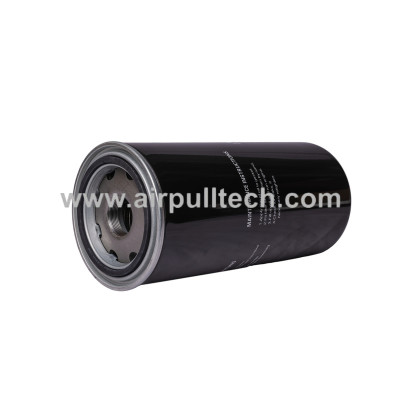
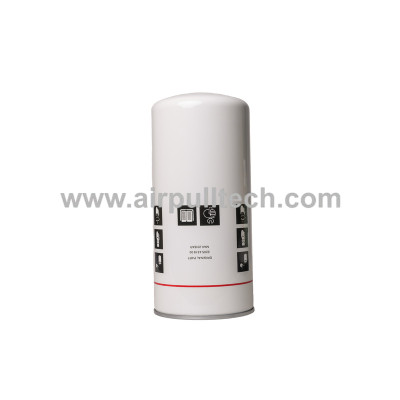
- Oil Filter Elements
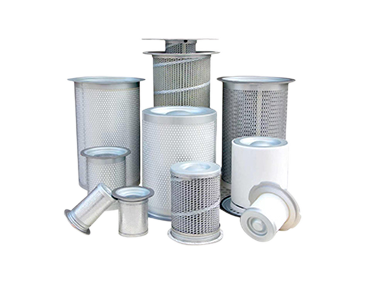
- Oil Separator Elements
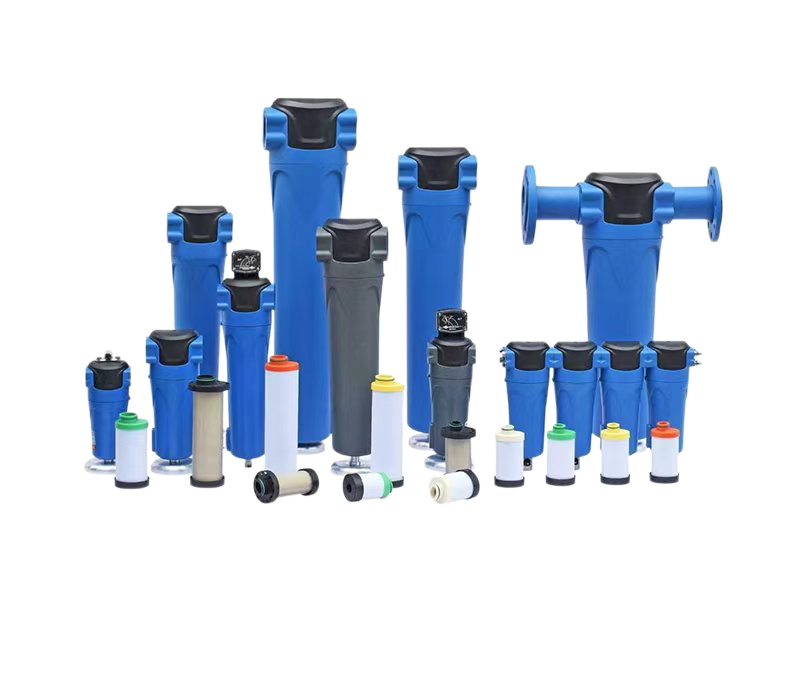
- Precision Filter Elements
- Customized Industrial Filtration Solutions
With an annual production capacity of 2 million filter products, AIRPULL is committed to providing dependable filtration solutions for global B2B customers.
Whether you need replacement filter elements, OEM part number cross-references, or customized filtration products, our team is ready to help.
Need the right air filter separator for your equipment?
Send us your compressor model, OEM part number, or filter dimensions. Our team will help you identify a suitable filtration solution.
Contact AIRPULL Today for Product Information and a Competitive Quote.
Website: https://www.airpulltech.com/
Frequently Asked Questions (FAQs)
1. Can I wash an air filter separator with water?
Only if the manufacturer specifically confirms that the element is washable. Many paper, glass fiber, and oil separator elements are not designed for water cleaning.
2. How often should an air filter separator be cleaned?
The maintenance interval depends on the filter type, operating environment, dust concentration, and manufacturer's recommendations.
3. Can compressed air be used to clean an air filter separator?
Some reusable filters allow controlled low-pressure air cleaning, but delicate filter media can be damaged by excessive pressure.
4. What happens if an air filter separator becomes clogged?
A clogged filter can increase differential pressure, restrict airflow, reduce system efficiency, and potentially affect downstream equipment performance.
5. Should I clean or replace my air filter separator?
If the filter is specifically designed for reuse and remains structurally intact, approved cleaning may be possible. For disposable elements or filters with damaged media, replacement is recommended.
6. How do I choose the correct replacement air filter separator?
Check the equipment brand and model, OEM part number, filter dimensions, filtration requirements, and operating conditions.