













How to Find Brand Compatible Air Filter
If you run an air compressor, you already know the painful truth: the original filter from the factory is reliable, but it is rarely cheap, and it is often slow to ship. That is where a brand compatible air compressor filter comes in. These aftermarket elements are built to the same fit and performance profile as the genuine part, at a fraction of the cost.
The catch is that "compatible" only helps if you actually find the right one. Pick the wrong element and you risk poor air quality, faster wear, or a filter that simply will not seat. This guide walks you through exactly how to find a compatible filter you can trust.
What Is a Brand Compatible Air Compressor Filter?
A brand compatible air compressor filter is a replacement element made by a third party to match the dimensions, filtration media, and performance of an original equipment manufacturer (OEM) part. It is not a counterfeit. It carries the supplier's own branding and is sold openly as a compatible alternative.
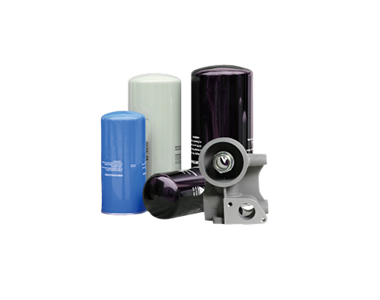
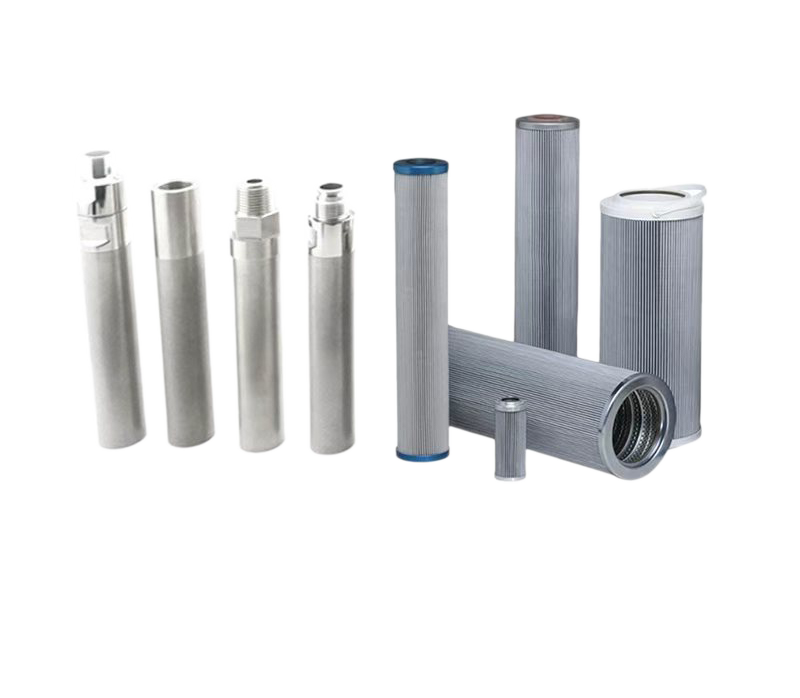
Compatible elements typically cover four positions inside a compressed air system:
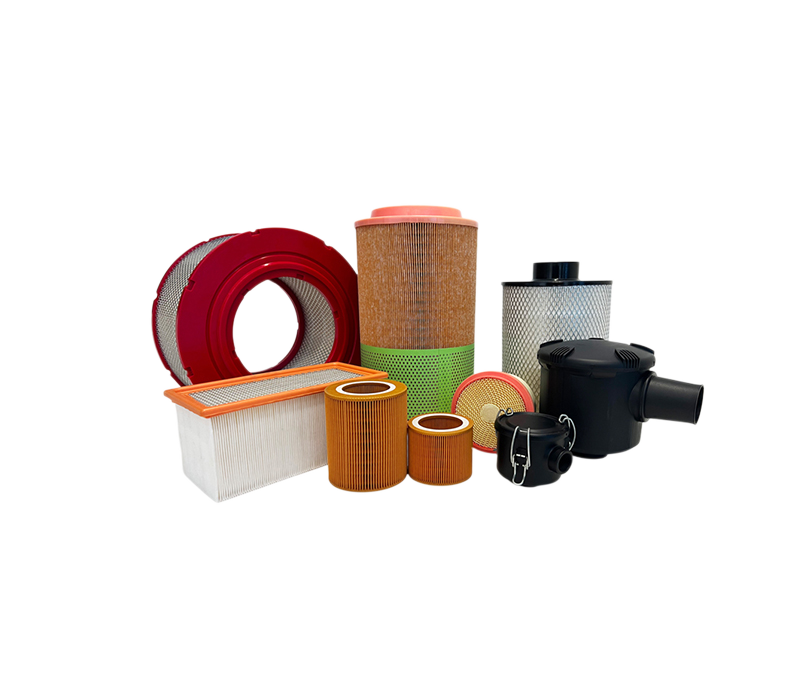
- Air intake filter — protects the compressor pump from dust and debris.
- Oil filter — keeps lubricating oil clean in rotary screw units.
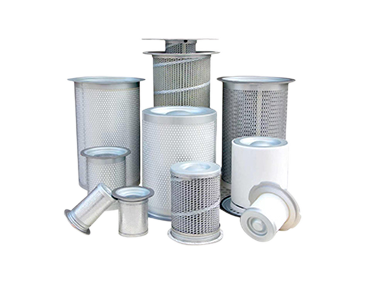
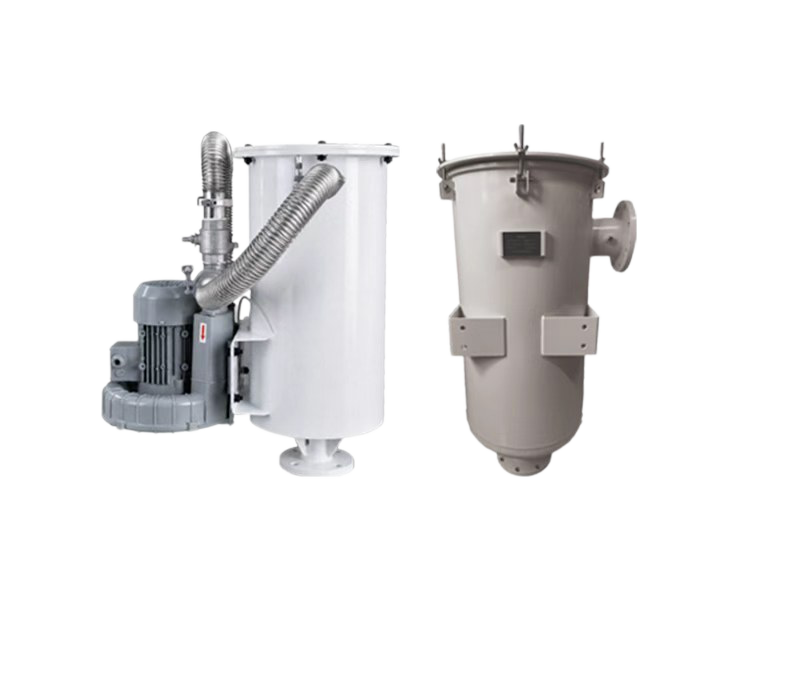
- Oil separator element — strips entrained oil from compressed air before it leaves the tank.
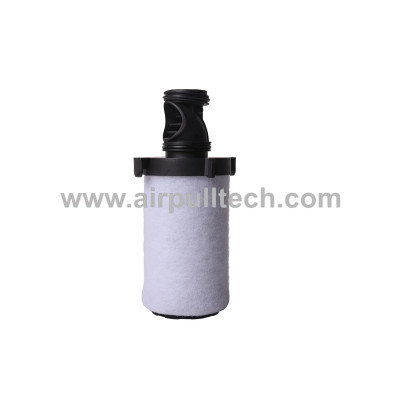
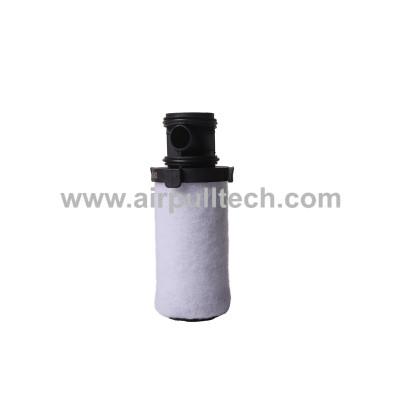
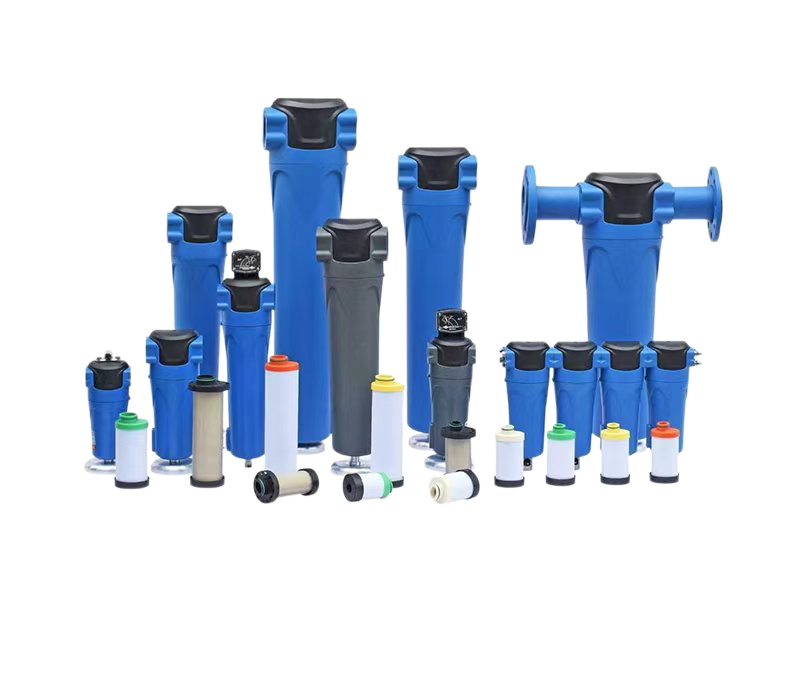
- Inline air filter — coalescing, particulate, or activated-carbon elements that polish the air for end use.
Why Choose a Compatible Filter?
- Cost savings of 30 to 70 percent versus the OEM part, with comparable filtration performance when sourced correctly.
- Faster availability — compatible stock is often held locally, cutting lead times from weeks to days.
- Wider choice — you can select media grades (standard, high-efficiency, food-grade) the OEM may not offer for your model.
- No lock-in — you are not tied to a single distributor's price or back-order queue.
Step-by-Step: How to Find the Right Filter
1. Identify your compressor brand and model
Start with the nameplate. Note the brand (Ingersoll Rand, Atlas Copco, Sullair, Fusheng, Kaeser, CompAir) and the exact model or serial number. Many filters differ even between sub-models of the same series, so precision here saves a return later.
2. Locate the original part number
The fastest route to a match is the OEM part number printed on the old filter or listed in your service manual. Write it down exactly, including any letter suffix. A compatible supplier uses that number to pull the correct cross-reference.
3. Know which filter type you need
Do not assume one "filter" covers everything. Confirm whether you need the intake, oil, separator, or inline element, or a full service kit. Ordering the wrong category is the single most common mistake we see.
4. Match the technical specifications
A trustworthy brand compatible air compressor filter lists these specs. Compare them against your original:
| Specification | Why it matters |
|---|---|
| Outer and inner diameter, height | Must seat correctly in the housing |
| Micron or filtration rating | Determines air cleanliness |
| Flow rate (CFM or m3/min) | Must meet your compressor output |
| Max pressure and temperature | Safety and service life |
| Thread or port size (inline) | Ensures a leak-free connection |
5. Use a cross-reference chart
Reputable suppliers publish cross-reference tables that map OEM numbers to their compatible equivalents. A well-built chart lets you enter "Ingersoll Rand 925123" and instantly see the matching element. If a supplier cannot show this mapping, treat it as a red flag.
6. Verify before you buy
Send the model, OEM number, and a photo of the installed filter to the supplier. A professional team confirms fitment in writing. That single email prevents the majority of returns.
Cross-Reference: Common Compressor Brands
Compatible filters are widely available for the major names below. Always confirm the specific part number, not just the brand:
Ingersoll Rand Atlas Copco Sullair Fusheng Kaeser CompAir Gardner Denver Hitachi Kobelco
Common Mistakes to Avoid
- Guessing by appearance. Two elements can look identical but differ in micron rating or seal design.
- Ignoring the separator. A worn oil separator spikes energy cost and oil carryover, so do not stretch its service interval.
- Buying on price alone. Rock-bottom media may collapse under pressure. Certifications such as ISO 8573 and OEM-equivalent test data matter.
- Mixing up service kits. Order the full kit when due for scheduled maintenance to avoid partial service.
Quality Checklist Before You Order
- Cross-reference part number provided and confirmed
- Measured dimensions match your original
- Filtration rating suits your application (general, food, pharma)
- Supplier shares test data or certifications
- Clear return and fitment-guarantee policy
Frequently Asked Questions
Is a compatible filter as good as the original?
When sourced from a reputable manufacturer, yes, for filtration performance and fit. The difference is branding and price, not engineering, provided the specs match.
Will using a compatible filter void my warranty?
Under most competition laws, using non-OEM parts does not automatically void a warranty unless the part itself caused the damage. Keep records of fitment confirmation and service dates.
How often should I replace my air compressor filters?
Follow the manufacturer's interval, but inspect intake and inline elements monthly in dusty environments. Separators and oil filters are typically changed at each scheduled service.
Can one compatible filter fit multiple brands?
Sometimes. Some elements are dimensionally identical across brands, but you should always verify via the cross-reference rather than assume.
Finding the right brand compatible air compressor filter is mostly a discipline: capture the OEM number, match the measured specs, and confirm fitment before you pay. Explore the AIRPULL filter catalog for cross-referenced elements built to OEM-equivalent standards.