










Maximize Performance & Slash Costs: 12 Benefits of an Air Compressor Oil Separator
In any industrial setting that relies on compressed air, the unsung hero of efficiency and longevity is the air compressor oil separator. For oil-injected systems, this component is not just an accessory; it's a critical part of a complex process that ensures your operations run smoothly, cost-effectively, and cleanly. Oil is essential for lubricating the compressor's moving parts, but if it contaminates the compressed air supply, it can lead to a host of problems, from damaged equipment to compromised end products. An efficient oil separator mitigates these risks, delivering a powerful return on investment. Let's explore the twelve essential benefits that an effective air compressor oil separator brings to your facility.
What Exactly is an Air Compressor Oil Separator?
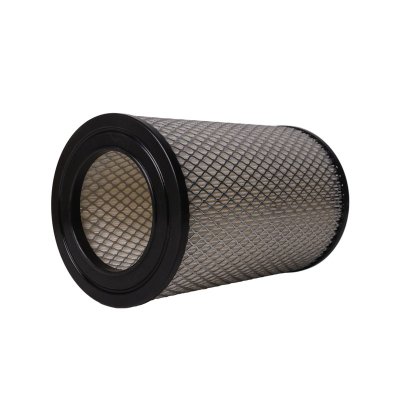
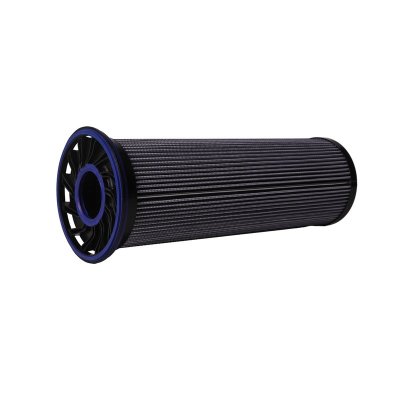
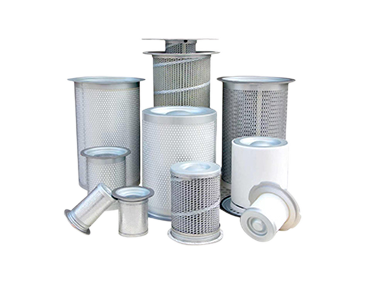
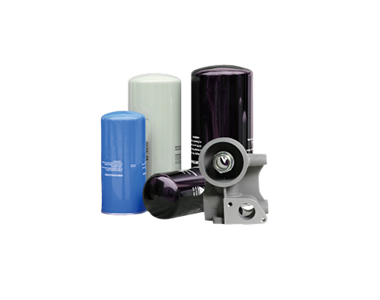
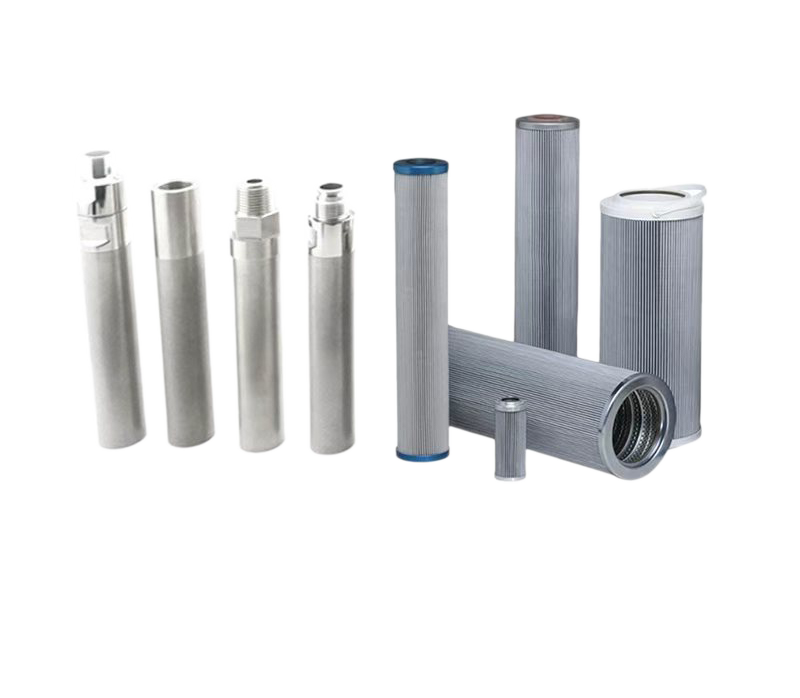
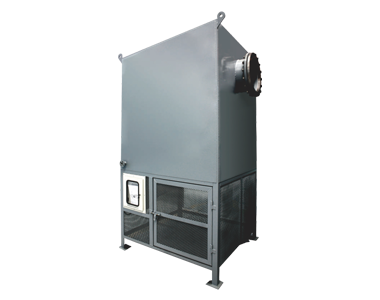
An air-oil separator is a device designed to remove lubricant oil from the compressed air in oil-flooded screw compressors. It typically consists of a filter element housed within a separator tank (or sump). Through a multi-stage process involving changes in velocity, direction, and filtration, it effectively captures oil aerosols, allowing clean air to proceed downstream while recycling the collected oil back into the compressor's lubrication system. This ensures the compressed air has a minimal amount of oil carry-over, often as low as 3 parts per million (ppm).
1. Boosted Energy Efficiency and Lower Power Bills
A clogged or inefficient oil separator forces the compressor's motor to work harder to push air through the system. This increased pressure drop directly translates to higher energy consumption. By maintaining a clean and efficient separator, you ensure the pressure drop remains minimal. A lower pressure drop means less energy is required to achieve your desired output pressure, resulting in significant savings on your electricity bills.
2. Superior Quality of Compressed Air
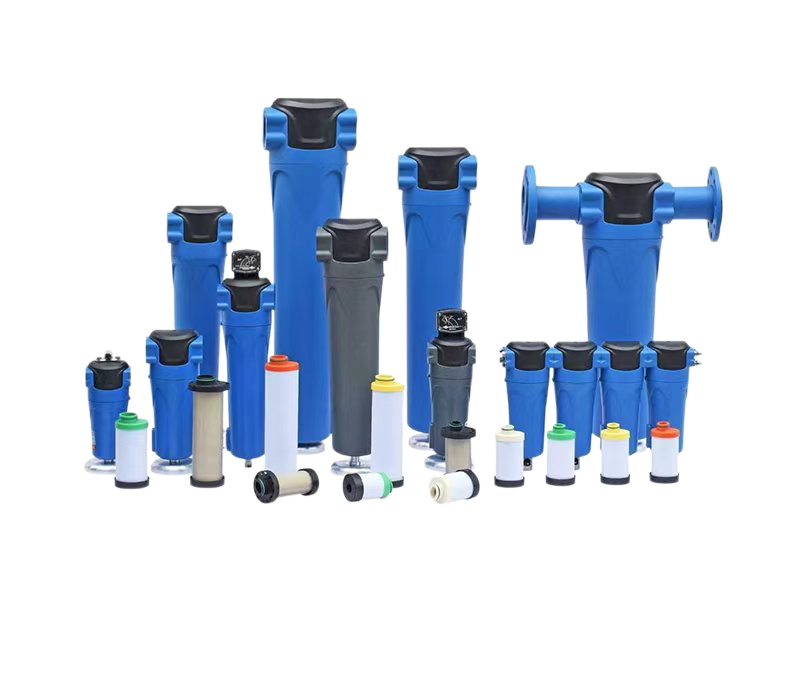
For many applications, the purity of compressed air is paramount. Industries like food and beverage, pharmaceuticals, electronics manufacturing, and paint spraying require air that is virtually free of oil contaminants to prevent product spoilage, defects, and safety hazards. An effective oil separator is the first line of defense in providing high-quality compressed air, protecting the integrity of your final products and processes.
3. Extended Lifespan for Your Air Compressor
Efficient oil separation ensures that the compressor's lubricant is effectively captured and returned to the system. This closed-loop process guarantees that the compressor's critical components, like the screw elements, bearings, and seals, are always properly lubricated. Proper lubrication minimizes friction and wear, preventing premature component failure and significantly extending the operational life of the entire air compressor unit.
4. Drastically Reduced Lubricant Consumption
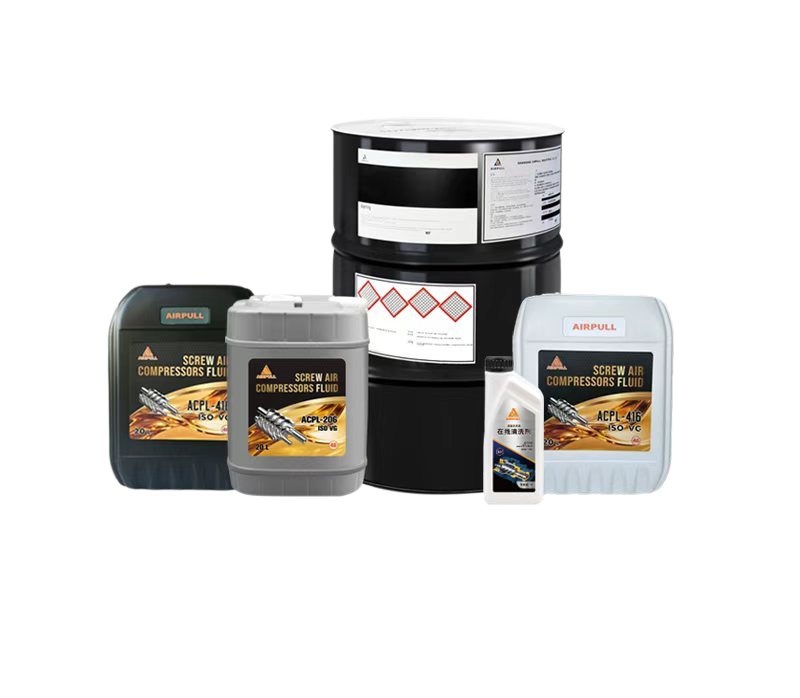
A high-performance oil separator is incredibly efficient at capturing and recycling compressor oil. Instead of oil being lost downstream in the form of aerosol carry-over, it is returned to the sump for reuse. This dramatically reduces the need for frequent oil top-ups, leading to substantial cost savings on lubricants over the compressor's lifetime.
5. Prevention of Downstream Equipment Damage
Oil carry-over from the compressor can wreak havoc on downstream equipment. Pneumatic tools can become sticky and fail, air dryers can have their desiccant material ruined, and delicate sensor equipment can be damaged. By ensuring clean, oil-free air, the separator acts as a guardian for your entire compressed air network, preventing costly repairs and replacements of downstream components.
6. Lower Maintenance Costs and Less Downtime
An efficient oil separator leads to a cleaner system overall. This means less frequent cleaning of pipes, valves, and pneumatic tools is required. More importantly, it prevents the unexpected equipment failures that lead to costly production downtime. Proactive maintenance of the oil separator is far more cost-effective than reactive repairs across your plant.
7. Ensured Environmental and Regulatory Compliance
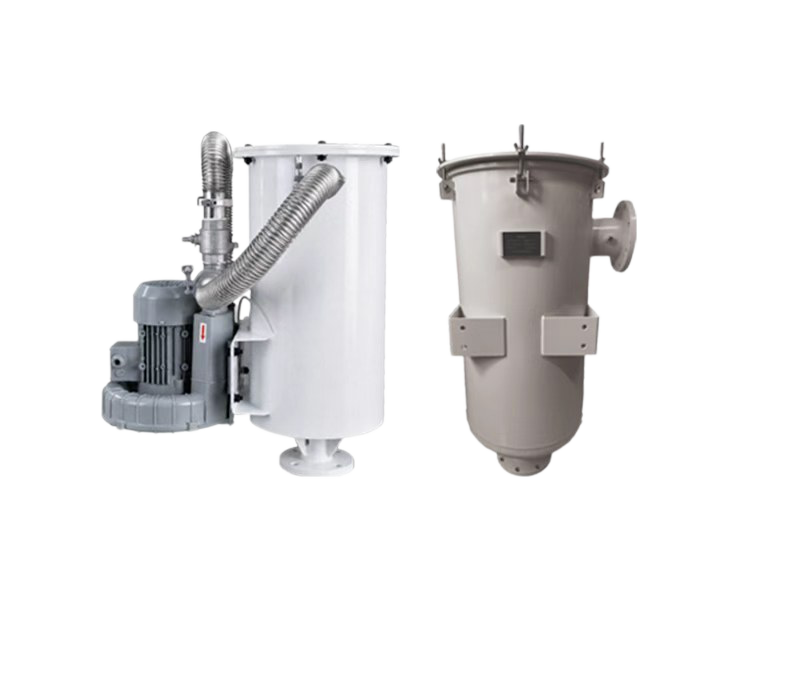
Compressed air condensate, a mixture of water and oil, is considered hazardous waste. Environmental regulations, such as those stipulated by the EPA, strictly prohibit the improper disposal of oily water. An oil-water separator is essential for treating this condensate, separating the oil for proper disposal and allowing the water to be discharged safely and in compliance with local and federal laws, thus avoiding heavy fines and penalties.
8. Improved Workplace Safety
Oil that escapes the compressed air system can create slippery surfaces on floors and equipment, posing a significant slip-and-fall hazard for employees. Furthermore, in certain conditions, oil aerosols can contribute to a fire risk. By containing the oil within the compressor system, a separator helps maintain a cleaner and safer working environment.
9. How an Oil Separator Functions
The separation process is a clever use of physics, often involving several stages:
- Centrifugal Separation: As compressed air enters the separator tank, it's forced into a cyclonic or spinning motion. The heavier oil droplets are thrown against the tank's walls by centrifugal force, where they coalesce and fall to the bottom.
- Coalescing Filtration: The air then passes through a filter element. This filter is made of a dense mesh of fibers that captures the remaining microscopic oil aerosols. These tiny droplets merge—or coalesce—into larger, heavier droplets on the filter fibers.
- Gravity and Scavenging: As the droplets become heavy enough, gravity pulls them to the bottom of the filter. A scavenge line then suctions this collected oil from the bottom of the tank and returns it to the compressor's oil sump to be reused.
10. The Real Cost of Neglecting Your Oil Separator
Ignoring the health of your oil separator can have cascading financial consequences. While a new separator filter might seem like an expense, it is minor compared to the potential costs of inaction.
| Cost Factor | Inefficient Separator | Efficient Separator |
|---|---|---|
| Energy Costs | High, due to increased pressure drop | Optimized, due to low pressure drop |
| Lubricant Costs | High, due to significant oil carry-over | Low, due to efficient oil recycling |
| Maintenance | Frequent, with high risk of unplanned downtime | Planned and predictable, with lower overall costs |
| Environmental Fines | High risk of non-compliance penalties | Compliant and safe discharge |
| Equipment Lifespan | Reduced due to poor lubrication and contamination | Extended due to clean operation and proper lubrication |
11. Choosing the Right Oil Separator
When it's time to replace your separator, always use a high-quality, genuine OEM or equivalent part. Inferior, low-cost separators often fail to meet the required specifications for filtration efficiency and pressure drop. This can negate all the benefits and lead to higher costs in the long run. Ensure the separator is correctly rated for your compressor's model, flow rate, and pressure.
12. A Commitment to Sustainable Production
Ultimately, a well-maintained oil separation system is a cornerstone of sustainable and responsible industrial operation. It reduces energy waste, conserves resources (lubricating oil), prevents pollution, and contributes to a safer work environment. It's a clear demonstration of a company's commitment not only to its bottom line but also to its environmental and social responsibilities. By protecting your equipment, you are also protecting the environment.