











The Ultimate Guide to Air Compressor Oil Separators: Causes of Failure and Prevention
Your In-Depth Guide to Mastering Air Compressor Oil Separator Maintenance
In any industrial setting powered by compressed air, the oil separator stands as a silent yet crucial guardian. Its primary role seems simple: separate oil from the air to ensure a clean, efficient output while allowing the lubricant to be recirculated. However, when this component fails, it can trigger a cascade of problems, from increased energy consumption and contaminated production lines to costly equipment shutdowns. Understanding the causes of oil separator failure isn't just about replacing a part; it's about diagnosing the root issue to prevent recurring downtime and protect your entire compressed air system.
Many operators first suspect issues with the airend or control systems when they notice rising temperatures or oil in the discharge air, often overlooking the separator itself. Yet, separator clogging and failure are common faults stemming from a mix of factors including lubricant choice, operating temperatures, and maintenance routines. This guide will provide a deep dive into the reasons behind oil separator failure and offer actionable strategies for prevention and maintenance.
1. Recognizing the Early Warning Signs of Separator Failure
An oil separator rarely fails without warning. Being able to spot the early signs can save you from unexpected downtime and expensive repairs. Key indicators often manifest as noticeable changes in your compressor's performance and output quality.
Common symptoms include an increase in oil carryover, where you might see oil accumulating in downstream filters or air lines. Another tell-tale sign is a significant pressure drop across the separator, which forces the compressor to work harder and consume more energy. Pay attention to rising operating temperatures, as a clogged separator can restrict oil flow and impair the system's cooling capabilities. Unusual noises or vibrations can also signal that the separator is under strain.
2. The Critical Impact of Using the Wrong Lubricant
Using an incorrect type of oil is one of the most frequent and damaging mistakes in air compressor maintenance. Standard engine or hydraulic oils lack the specific additives found in dedicated compressor lubricants, such as anti-foaming agents. When the wrong oil is used, it can foam excessively under pressure, overwhelming the separator and leading to significant oil carryover. Also, mixing different types of oils, like mineral and synthetic, can cause chemical incompatibilities that lead to sludge formation and viscosity breakdown, clogging the separator.
3. How High Operating Temperatures Lead to Oil Degradation and Clogging
Elevated operating temperatures are a primary enemy of both lubricating oil and the separator. When a compressor runs too hot, the oil begins to oxidize and break down at an accelerated rate. This process forms varnish, sludge, and carbon deposits that can clog the fine filter media of the separator. Factors contributing to overheating include poor ventilation, dirty coolers, or an overloaded system. These deposits not only block the separator but also restrict oil flow throughout the system, leading to a vicious cycle of increasing heat and further oil degradation.
4. The Dangers of Environmental Contaminants and Poor Air Quality
An air compressor ingests a massive volume of ambient air, and with it, any dust, moisture, or chemical vapors present in the environment. If the intake air filter is inefficient or compromised, these airborne contaminants are drawn directly into the compression system. Dust and other particulates mix with the oil, creating a sludge-like abrasive mixture that quickly clogs the oil filter and the oil separator. In environments with corrosive gases, chemical reactions can occur with the lubricant, further accelerating the formation of harmful deposits. Therefore, maintaining a clean compressor room and using high-quality air filters are the first lines of defense.
5. The Consequences of Inadequate Maintenance and Delayed Replacement
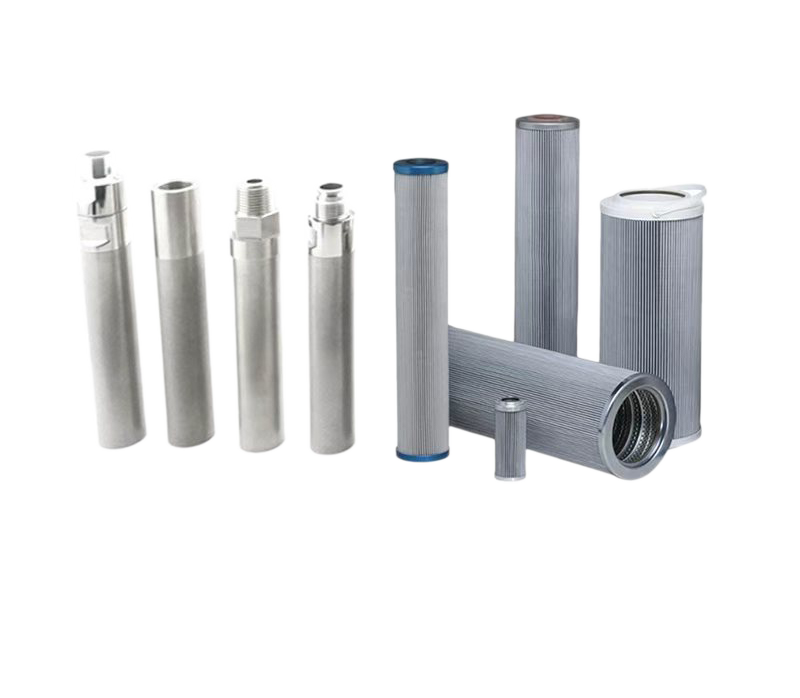
Like all filters, an oil-air separator is a consumable component with a limited service life. Over time, it naturally accumulates contaminants. Adhering to the manufacturer's recommended replacement schedule is crucial. Extending the use of a separator beyond its intended lifespan will inevitably lead to clogging. This not only increases the pressure drop, forcing the compressor to expend more energy, but also risks catastrophic failure of the separator element, which can collapse or tear, releasing a large amount of oil downstream. Neglecting regular maintenance checks often turns a minor issue into a major system failure.
6. Scavenge Line Blockages: A Hidden Cause of Oil Carryover
A blocked or improperly installed scavenge line is a common and often overlooked cause of high oil carryover. The scavenge line's function is to return the oil collected by the separator back to the compressor's sump. If this line is clogged with sludge or debris, the collected oil pools at the bottom of the separator. The pressure inside the vessel then forces this pooled oil through the separator element along with the compressed air, creating severe oil carryover even if the separator itself is in good condition. Regular inspection and cleaning of the scavenge line and its filter are vital.
7. The Problem with Improper Oil Levels: Too Much or Too Little
Maintaining the correct oil level is a simple but critical task. Overfilling the compressor's oil sump is a frequent mistake that can flood the separator. When the oil level is too high, the sheer volume can overwhelm the separator's capacity to function correctly, leading to immediate oil carryover. Conversely, operating with insufficient oil creates excessive friction and heat, which accelerates oil breakdown and component wear, ultimately contributing to separator clogging from degraded oil byproducts.
8. Mechanical Failures and Their Impact on the Separation Process
Beyond contamination and maintenance issues, mechanical faults can also lead to separator failure. A malfunctioning minimum pressure valve, for instance, can cause a sudden surge of high-pressure air through the separator, potentially causing the element to collapse. Likewise, worn seals or gaskets within the separator housing can create bypass routes, allowing oil-laden air to circumvent the filter media entirely, resulting in contaminated downstream air.
9. A Proactive Approach to Prevention and Troubleshooting
Preventing oil separator failure hinges on a proactive maintenance strategy. Start by establishing a consistent maintenance schedule based on the manufacturer's recommendations and your operating environment. Use only high-quality, OEM-specified lubricants and filters. Regularly monitor key performance indicators like pressure differential across the separator, operating temperature, and oil consumption.
When troubleshooting, adopt a systematic approach. If you notice signs of failure like oil carryover, don't just replace the separator immediately. First, check for other common culprits: verify the oil level and type, inspect the scavenge line for blockages, and ensure the operating temperature is within the normal range. This holistic view helps address the root cause rather than just the symptom.
10. Creating a Maintenance Checklist for Long-Term Reliability
To ensure consistency and thoroughness, develop a detailed maintenance checklist for your compressed air system. This should include daily, weekly, and monthly tasks.
| Frequency | Maintenance Task | Purpose |
|---|---|---|
| Daily | Check oil level in the sight glass. | Prevents overfilling and underfilling issues. |
| Monitor operating temperature and pressure readings. | Early detection of overheating or pressure drop. | |
| Weekly | Inspect for any visible oil or air leaks. | Ensures system integrity and efficiency. |
| Check condensate drains to ensure they are functioning correctly. | Prevents moisture buildup in the system. | |
| Monthly | Inspect and clean the air intake filter. | Reduces contaminant load on internal components. |
| Check the scavenge line for any signs of blockage. | Ensures proper return of separated oil. | |
| As Per Schedule | Replace oil, oil filter, and air/oil separator elements. | Follows OEM guidelines to prevent degradation and clogging. |
By diligently following this guide and implementing a robust maintenance culture, you can significantly enhance the reliability of your air compressor, reduce operational costs, and safeguard the quality of your production processes.