











The Ultimate Guide to Air Compressor Oil Separators: Performance, Trends, and Maintenance
In any industrial setting that relies on oil-lubricated air compressors, the quality of compressed air is paramount. Contaminated air can damage pneumatic tools, compromise product quality, and lead to costly downtime. At the heart of ensuring clean air delivery lies a critical component: the air-oil separator. With the global market for air-oil separators projected to grow steadily, driven by rising industrialization and stricter environmental regulations, understanding this component is more important than ever. The market is expected to expand from around $2 billion in 2025 to over $3 billion by 2033, with a compound annual growth rate (CAGR) of over 5%.
This guide provides an in-depth look at air compressor oil separators, from their fundamental working principles to the latest market innovations, helping you optimize your compressed air system for efficiency, reliability, and compliance.
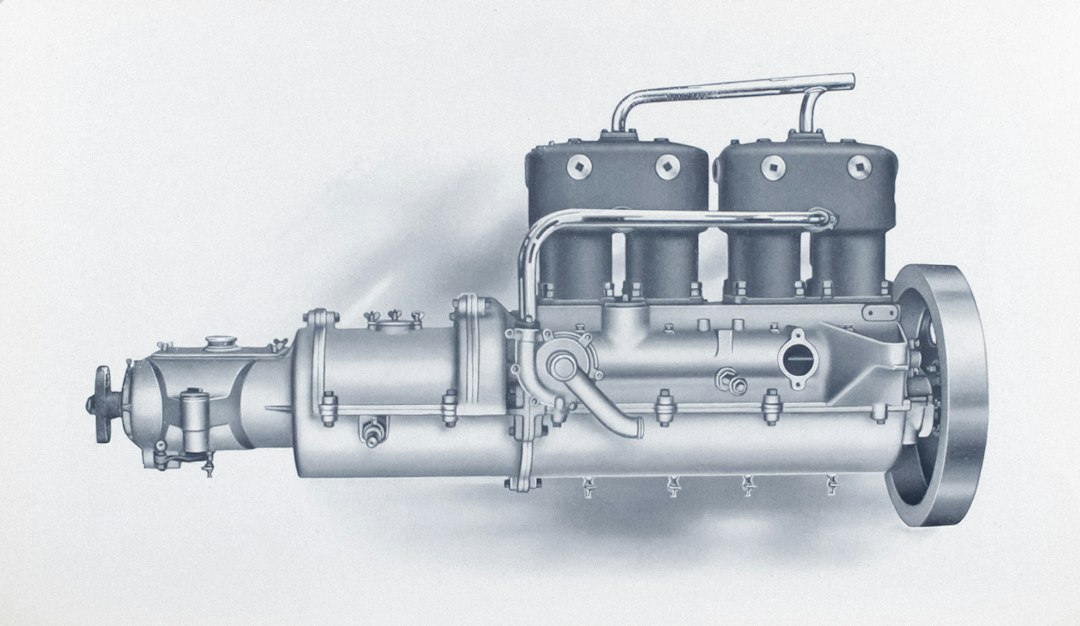
What is an Air-Oil Separator and Why is it Crucial?
An air-oil separator is a device designed to remove lubricating oil from the compressed air stream in oil-flooded rotary screw and vane compressors. During compression, oil is injected to lubricate moving parts, seal rotors, and dissipate heat. However, this oil becomes aerosolized and mixed with the air. The separator's job is to capture and remove these oil particles before the air exits the compressor. Without effective separation, oil carryover can lead to contaminated end-products, damaged downstream equipment, and increased operational costs.
The Inner Workings: How Do Air-Oil Separators Function?
Modern air-oil separation is a sophisticated, multi-stage process that leverages several physical principles to achieve high efficiency:
- Primary Separation (Mechanical & Gravitational): As the hot air-oil mixture leaves the compression chamber, it enters the separator tank. Here, the velocity of the air is drastically reduced. This change, combined with centrifugal force and impingement on internal baffles, causes larger oil droplets to collide, combine (coalesce), and fall out of the airstream due to gravity.
- Fine Separation (Coalescing Filtration): The air then passes through a fine coalescing filter element. This element is made of a dense mat of fibers (often borosilicate micro-glass fiber) that captures the remaining microscopic oil aerosols. As these tiny droplets navigate the tortuous path through the filter media, they collide with fibers and each other, growing into larger droplets.
- Drainage and Recirculation: These larger, coalesced droplets become too heavy to be carried by the air and drain to the bottom of the separator cartridge. The collected oil is then returned to the compressor's sump via a scavenger or return line to be reused, ensuring continuous lubrication and cooling.
Types of Air-Oil Separators for Compressors
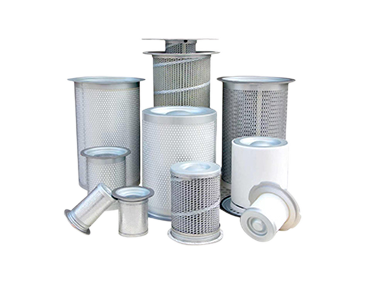
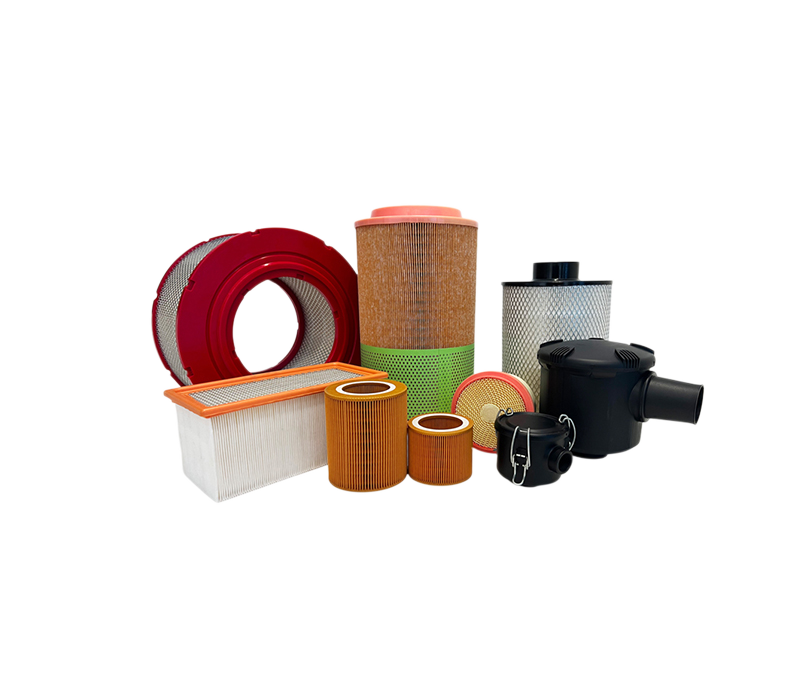
While the underlying principle is similar, separators come in various designs to suit different compressor models and applications. The most common types include:
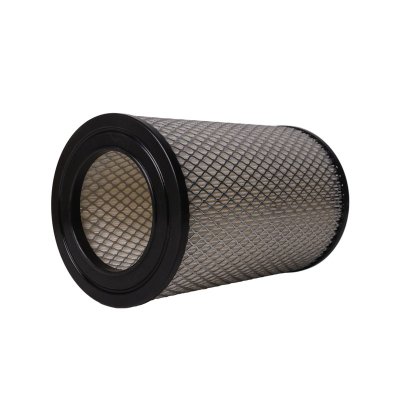
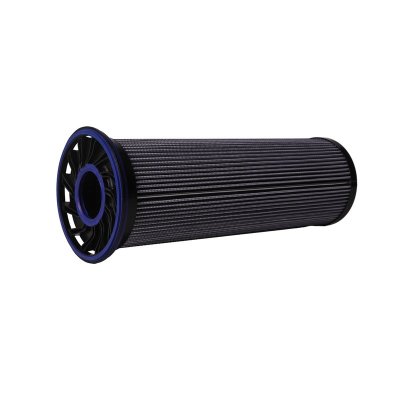
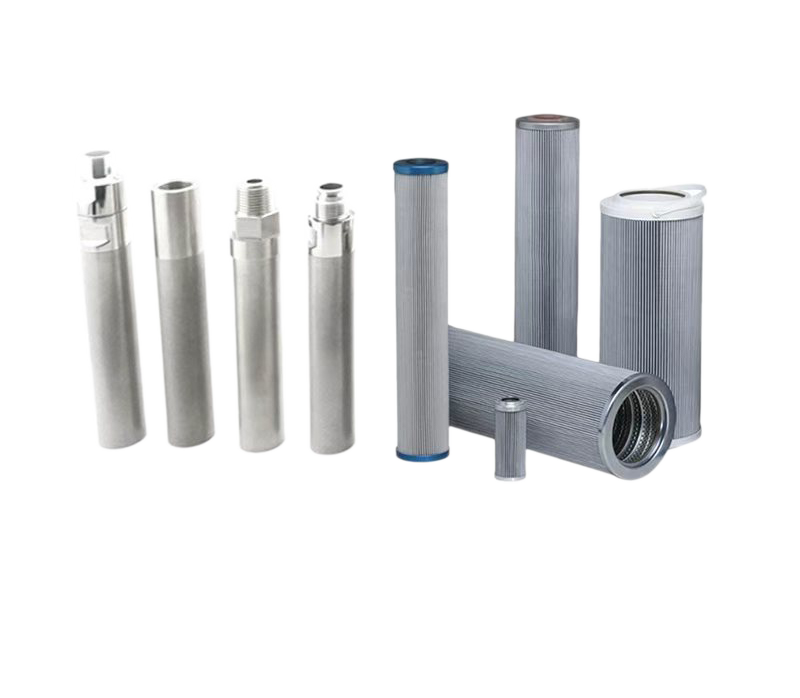
- Pleated Cartridge Separators: These are the most prevalent type, especially in rotary screw compressors. They feature a large surface area of pleated media packed into a cylindrical cartridge, maximizing filtration capacity and service life.
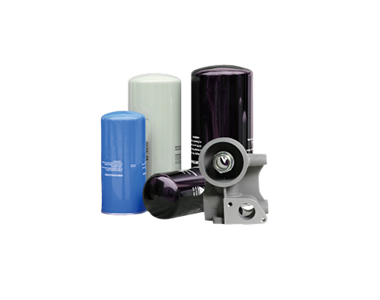
- Spin-On Separators: Similar to an engine oil filter, these are self-contained units that are easy to install and replace, making maintenance straightforward.
- Deep Filter / Wrap Type Separators: These consist of multiple layers of filtration media wrapped around a central core, offering depth filtration for high efficiency.
Some systems may also employ demister pads or activated carbon stages for final polishing where extremely high air purity is required.
Key Performance Metrics: What to Look For
When evaluating an air-oil separator, three metrics are crucial:
- Separation Efficiency: This measures the percentage of oil removed from the air. High-performance separators achieve efficiencies of 99.9% or higher.
- Residual Oil Content: This is the amount of oil remaining in the air after separation, typically measured in parts per million (ppm). A good separator should achieve an oil carryover of 1-3 ppm.
- Differential Pressure (Pressure Drop): This is the reduction in pressure as air passes through the separator. A lower initial pressure drop means less energy is wasted. As the filter becomes clogged, this pressure drop increases, indicating it's time for replacement.
The High Cost of Poor Separation: Risks and Consequences
Ignoring the health of your air-oil separator can have significant financial and operational repercussions:
- Equipment Damage: Oil carryover can foul pneumatic tools, actuators, and control valves, leading to premature failure.
- Product Contamination: In industries like food & beverage, pharmaceuticals, and electronics, even trace amounts of oil can ruin entire batches of product.
- Increased Operating Costs: A clogged separator forces the compressor to work harder, increasing energy consumption. Furthermore, excessive oil carryover depletes the compressor's lubricant, requiring more frequent and costly top-offs.
- Environmental Non-Compliance: Discharging oily condensate into the environment can lead to hefty fines and reputational damage.

Signs You Need to Replace Your Compressor's Oil Separator
The most common indicator for replacement is a high differential pressure across the separator, often signaled by an alarm on the compressor's controller. Other signs include:
- A noticeable presence of oil in downstream air lines or on finished products.
- A sudden, significant increase in compressor oil consumption.
- Reaching the manufacturer's recommended service hours, even without a high-pressure differential alert.
Installation and Maintenance Best Practices
Proper maintenance is key to maximizing the life and performance of your separator.
- Follow Service Intervals: Adhere to the manufacturer's recommended replacement schedule.
- Use Quality Parts: Always use genuine or high-quality OEM-equivalent separators to ensure proper fit and performance.
- Check the Scavenge Line: Ensure the oil return line and its orifice/check valve are clear. A blocked line is a primary cause of premature separator failure.
- Monitor Pressure Drop: Keep an eye on the differential pressure. A gradual increase is normal, but a sudden spike could indicate a problem.
Maintenance Schedule Example
| Task | Frequency |
|---|---|
| Monitor Differential Pressure | Daily |
| Check for Oil in Condensate Drains | Weekly |
| Inspect Scavenge Line & Orifice | Quarterly / During Service |
| Replace Separator Element | Per Manufacturer's Guideline |
Market Innovations: The Future of Air-Oil Separation Technology
The air-oil separator market is evolving, driven by demands for greater efficiency and sustainability. Key trends include:
- Advanced Filtration Media: Development of synthetic and engineered media that offer higher efficiency, lower pressure drop, and better resistance to synthetic lubricants.
- Longer Service Life: Manufacturers are designing separators that last longer, reducing maintenance costs and downtime.
- IoT and Digital Monitoring: Integration of sensors to provide real-time data on separator performance and predict maintenance needs, aligning with Industry 4.0 trends.
- Energy Efficiency Focus: New designs are optimized to minimize pressure drop, directly contributing to energy savings over the compressor's lifecycle.
Choosing the Right Separator for Your Application
Selecting the correct separator involves more than just matching the part number. Consider the following:
- Compressor Type and Capacity: Ensure the separator is rated for your compressor's specific model and flow rate.
- Lubricant Type: Some synthetic oils can be aggressive towards certain filter media and seals. Verify compatibility.
- Air Quality Requirements: Applications like food processing or aerospace demand higher-purity air, which may require multi-stage separation and specialized filters.
Environmental and Efficiency Benefits of High-Quality Separators
Investing in a high-quality air-oil separator does more than just protect your equipment; it's a step towards more sustainable and efficient operations. By ensuring minimal oil carryover, you reduce lubricant consumption and prevent environmental contamination from condensate discharge. Simultaneously, by maintaining a low pressure drop, the separator helps reduce the compressor's energy consumption, lowering both operational costs and your carbon footprint. The global market's growth is tied to these very factors, with stricter environmental regulations and the drive for industrial energy savings pushing for better separation technology.
Conclusion: A Small Part with a Big Impact
Though it may seem like a simple replacement part, the air-oil separator is a cornerstone of a reliable, efficient, and clean compressed air system. Its performance directly impacts everything from your energy bill to the quality of your final product. As industrial demands and environmental standards become more stringent, the role of advanced separation technology will only grow. By prioritizing quality separators and adhering to proper maintenance, you can protect your investments, reduce operating costs, and ensure your operations run smoothly for years to come.