











The Ultimate Guide to Choosing the Perfect Oil Separator for Your Air Compressor
Your Ultimate Guide to Selecting the Right Air Compressor Oil Separator
In any industrial or workshop setting that relies on compressed air, the quality of that air is paramount. For oil-lubricated air compressors, an air-oil separator is not just an accessory; it's a critical component that safeguards your entire system. Its primary role is to remove oil aerosol from the compressed air before it travels downstream to your tools and equipment. A high-performing oil separator ensures operational efficiency, protects sensitive equipment from contamination, reduces maintenance costs, and helps maintain a safe working environment. Choosing the wrong separator can lead to increased energy consumption, premature wear on components, and even costly production downtime. This guide will walk you through the essential factors to consider, empowering you to select the perfect oil separator for your air compressor.
1. Understand Your Air Compressor's Flow Rate (CFM)
The most critical factor in sizing an oil separator is the airflow capacity of your air compressor, measured in Cubic Feet per Minute (CFM). The separator must be rated to handle your compressor's maximum output. An undersized separator cannot process the volume of air and condensate effectively, leading to high oil carryover and significant pressure drops. Conversely, an excessively oversized unit is an unnecessary capital expense. As a best practice, sum the CFM of all compressors feeding into the separator and add a buffer of around 20% to account for fluctuations and potential future system expansion.
2. Match the Separator to Your System's Pressure (PSI)
Every oil separator has a maximum operating pressure rating, measured in Pounds per Square Inch (PSI). It is crucial to choose a separator that can safely and effectively handle the operating pressure of your compressed air system. Operating a separator above its rated pressure is a serious safety hazard and can lead to catastrophic failure. Always verify that the separator's specifications align with your compressor's output pressure to ensure safe and reliable operation.
3. Evaluate Filtration Efficiency and Air Quality Needs
Filtration efficiency determines the separator's ability to remove oil particles from the air. This is often expressed in Parts Per Million (PPM) or as a percentage. Standard separators are highly effective, but for applications requiring exceptionally pure air—such as in food and beverage processing, pharmaceuticals, or high-precision manufacturing—a high-efficiency coalescing filter may be necessary downstream. These filters are designed to capture sub-micron oil aerosols, ensuring the air meets stringent quality standards. Higher efficiency protects downstream equipment and the final product from any oil contamination.
4. Know the Types of Oil Separators: Coalescing vs. Centrifugal
Oil separators primarily use two methods of separation: coalescing and centrifugal force. Understanding the difference is key to selecting the right type for your application:
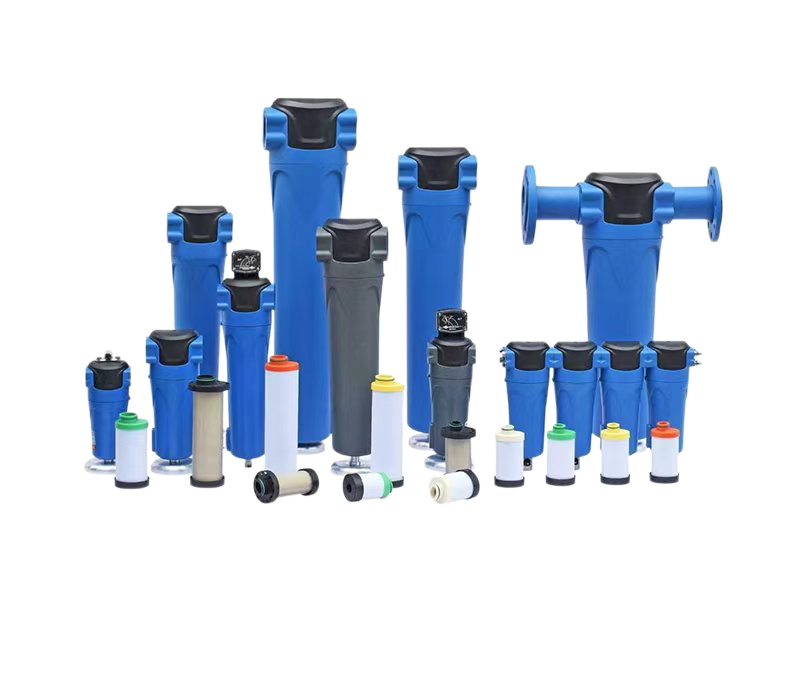
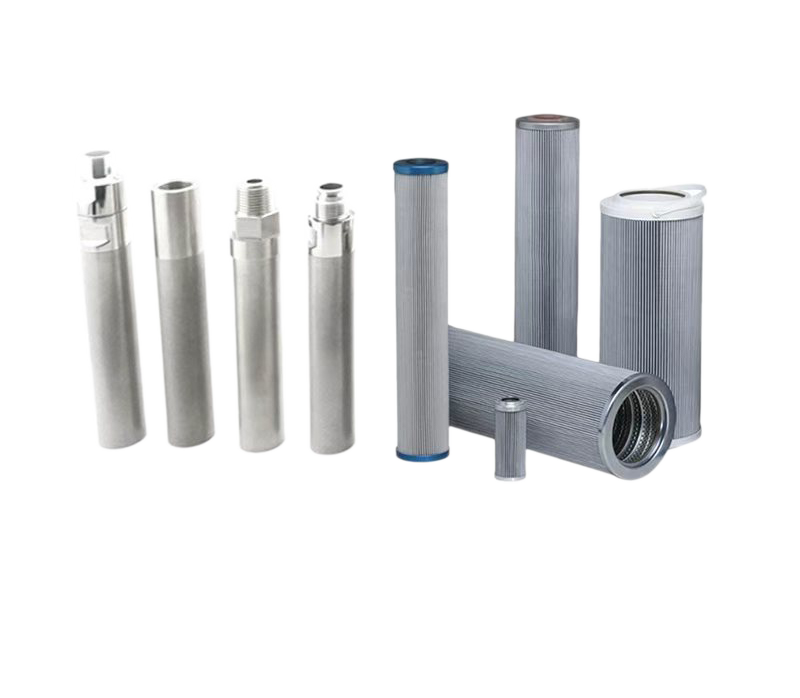
- Coalescing Separators: These are the most common type. They use a filter element made of fine fibrous media. As air passes through, tiny oil aerosol droplets collide with the fibers and merge (coalesce) into larger, heavier droplets. Gravity then pulls these larger droplets to the bottom of the separator for collection and draining. They are highly efficient at removing very fine oil mists.
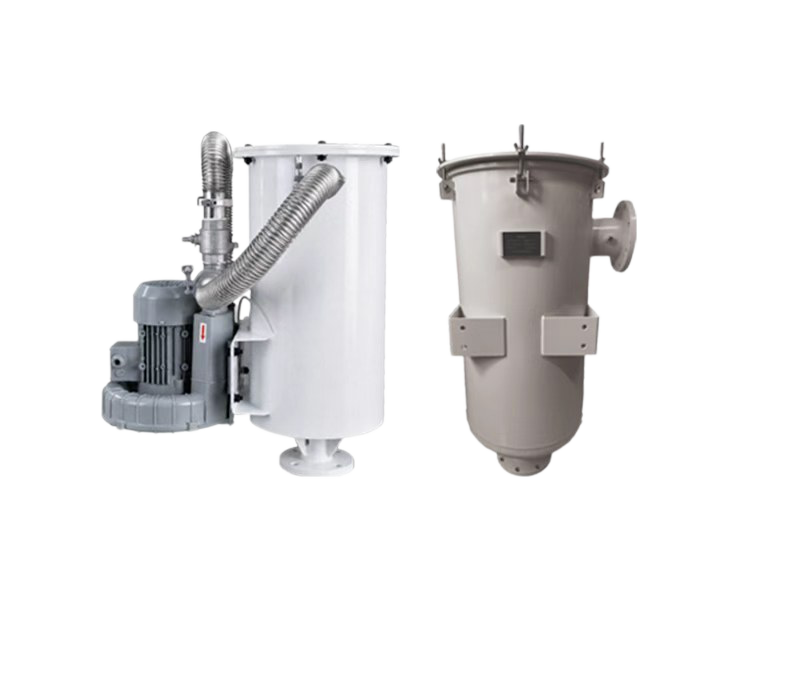
- Centrifugal Separators: These use cyclonic motion to spin the air at high velocity. The heavier oil and water particles are thrown against the outer wall by centrifugal force, where they collect and drain down. Centrifugal separators are excellent for removing larger droplets and bulk liquids but may be less effective on very fine aerosols compared to coalescing filters.
| Feature | Coalescing Separator | Centrifugal Separator |
|---|---|---|
| Mechanism | Filtration media merges fine droplets | High-speed rotation separates by mass |
| Efficiency | Very high, removes sub-micron particles | Good for bulk liquid, less effective on fine mist |
| Best For | General use, high-purity applications | Heavy-duty, industrial systems with high liquid load |
| Maintenance | Requires periodic filter element replacement | Lower maintenance, often no replaceable elements |
5. Check Port Size and Connection Type
The separator's inlet and outlet port sizes must match your existing pipework to avoid creating a bottleneck. Mismatched port sizes can cause unnecessary pressure drops, forcing the compressor to work harder and consume more energy. Ensure the connection types (e.g., NPT, BSP) are also compatible with your system for a seamless and leak-free installation.
6. Consider the Operating Temperature
The temperature of the compressed air affects both the viscosity of the oil and the amount of water condensate produced. Most separators are designed to work within a specific temperature range. High operating temperatures can degrade some filter media and seals over time, while extremely low temperatures can affect drainage efficiency. Check the manufacturer's specifications to ensure the separator is suitable for your system's typical operating temperature.
7. Select the Right Drain Mechanism
Once oil and water are separated, they must be drained from the system. There are two primary options:
- Automatic Drains: These drains (often float-operated or electronic) automatically discharge the collected condensate when it reaches a certain level. They are highly recommended as they prevent manual oversight and ensure the separator doesn't fill up, which would lead to oil carryover.
- Manual Drains: These require an operator to periodically open a valve to drain the condensate. This option is less expensive upfront but carries the risk of human error. Forgetting to drain the separator will compromise its performance.
For consistent and reliable operation, an automatic drain is almost always the superior choice.
8. Prioritize Material and Build Quality
A separator is a pressure vessel, so its construction quality is vital for safety and longevity. Look for units made from robust materials like steel or aluminum with corrosion-resistant coatings. A durable build ensures the separator can withstand the rigors of an industrial environment, including pressure cycles, vibration, and temperature changes. High-quality construction translates to a longer service life and greater reliability.
9. Factor in Maintenance and Serviceability
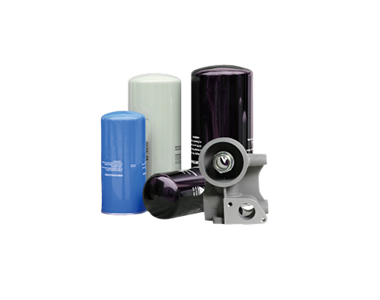
All oil separators require some level of maintenance, primarily involving the replacement of the coalescing filter element. Choose a separator that is designed for easy servicing. Models that allow for quick and straightforward filter changes will minimize downtime and reduce labor costs. Consider the availability and cost of replacement filter elements when making your selection, as this will be a recurring operational expense.
10. Don't Neglect Brand Reputation and Support
Finally, choose a separator from a reputable manufacturer known for quality and reliability. Established brands typically offer better warranties, comprehensive technical support, and readily available replacement parts. Reading reviews and seeking recommendations can provide insight into the real-world performance and durability of a separator. Investing in a trusted brand often provides peace of mind and better long-term value.
By carefully considering these ten factors, you can confidently choose an air-oil separator that not only fits your budget but also enhances the performance, efficiency, and reliability of your entire compressed air system. A well-chosen separator is an investment that pays dividends in lower operating costs and longer equipment life.