






When Our Systems Finally Started Talking: AIRPULL's 2018 Digital Shift
ERP · CRM · OA — the year the back office caught up with the factory floor.
Most buyers never see a company's ERP system. They only feel its absence — in a lead time that slips, an order nobody can quite trace, a question that bounces between three people before anyone answers. By 2018, AIRPULL had grown enough that "someone will get back to you" was no longer good enough, and that is the problem this initiative was built to retire.
A 2017 order, the hard way
Imagine you are a distributor ordering oil separators for a compressor service contract. You email the quote, wait a day, get a price. You ask when it ships — and the answer depends on whether the planner is at their desk. You want a batch number for your audit file; that means another call to the floor. Three questions, three separate people, none of them holding the same sheet of paper. The order ships on time, but only because everyone hustled. Scale that to fifty countries and it breaks.
What 2018 actually changed
AIRPULL connected three systems so the answers would stop depending on who picked up the phone.
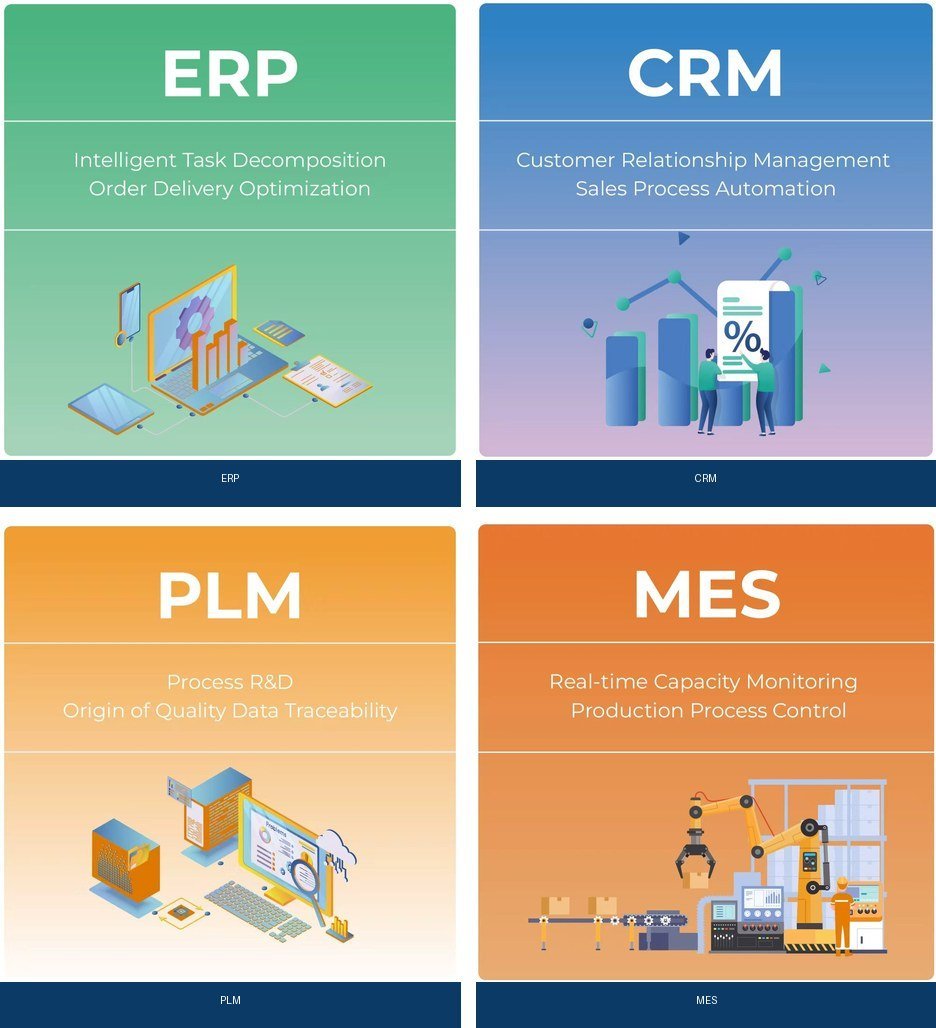
ERP — one record for production, inventory, and finance. A finished-goods number stopped being three numbers that disagreed, and order delivery could be planned and decomposed intelligently instead of negotiated by phone.
CRM — one view of every account. Quotes, open orders, and support history sat in a single record, so no customer was ever explained to from scratch, and the sales process ran on tracked automation rather than memory.
OA — approvals with a clock on them. Internal requests moved from reply-all email chains to tracked workflows with deadlines, cutting routine decision time from days to hours.
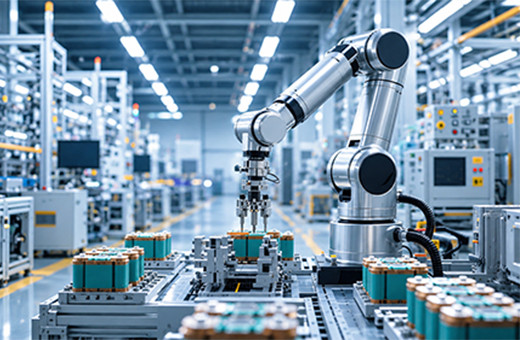
The same program reached beyond the back office. PLM gave process R&D and quality data a single, authoritative origin — the starting point of every traceability record. And MES put real-time capacity monitoring and production process control directly on the shop floor, so the plan the ERP produced was the plan the plant could actually see and keep.
| Before 2018 | After 2018 |
|---|---|
| "I'll check and get back to you" | Live order status from the system |
| Three inventory counts, none matching | One shared stock number |
| Batch traceability meant a phone call to the floor | Batch tied to the record by default, with a data origin in PLM |
| Line status known only by walking the floor | MES real-time capacity monitoring |
| Approvals lost in email | Tracked workflow with a deadline |
| Customer history scattered across inboxes | One account view for every touchpoint |
Why this matters to the people who buy from us
The point was never the software. It was the predictability. When planning and inventory speak the same language, lead times stop jumping between repeat orders. When an element ships with its batch and material lot attached — and that data has a documented origin in PLM — your audit and warranty claims get simpler. When the right person can see the right record without a relay of internal calls, your question gets a real answer faster — sometimes before you have to ask.
"The goal was boring on purpose: make the honest answer about your order available without waiting for us to be awake."
The quiet payoff
None of this looked like a product launch, and that was the point. But the discipline it forced — clean master data, linked processes, measurable workflows, and a shop floor that reports itself through MES — is exactly what made the 35,000 m² smart manufacturing park possible in 2024. Sensors and line-level monitoring assume a company already runs on trustworthy data. AIRPULL built that foundation in 2018, quietly, so the flashier stuff could land later.
---