When Our Systems Finally Started Talking
When Our Systems Finally Started Talking
The factory ran fine for two decades. The paperwork didn't. In 2018 we fixed the part between them.
For our first twenty years, orders sat in one system, production status in another, and the customer conversation somewhere in between — passed between those silos by hand, by email, by whoever was at the desk that afternoon. It worked, slowly, until it no longer scaled.
What 2018 actually connected
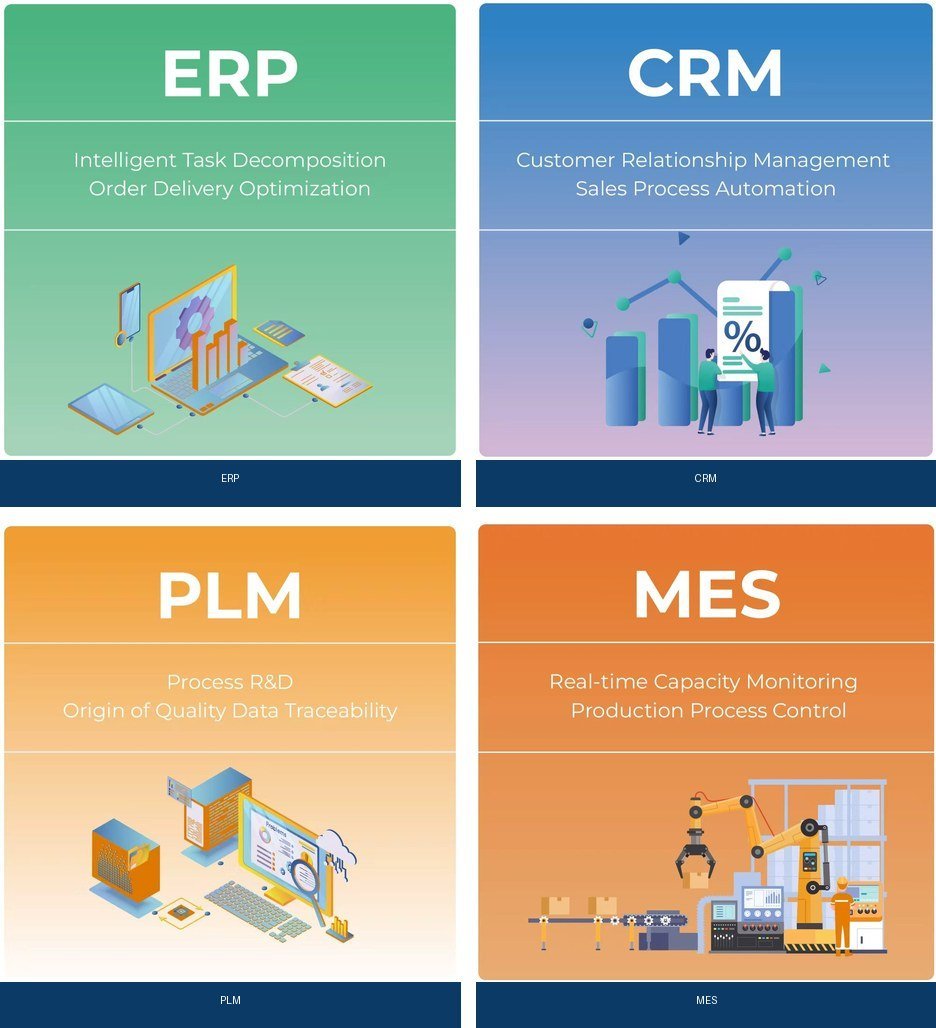
We stopped patching the gaps and rebuilt the backbone as one connected record: ERP now drives planning and inventory. CRM holds the customer relationship end to end. OA keeps the internal workflow that ties them together honest. Behind all three, PLM carries product and engineering data from first design through every revision, while MES turns the shop floor into a live signal instead of a monthly report.
Why it matters to the people who buy from us
Speed. A distributor quote that once waited on three people now pulls stock, lead time and configuration from one source. Fewer round-trips, faster answers, shorter time-to-ship.
Accuracy. One shared system of record means a wrong figure gets corrected in one place — not in four, each slightly off. Order errors that used to surface at the loading dock are now caught at entry.
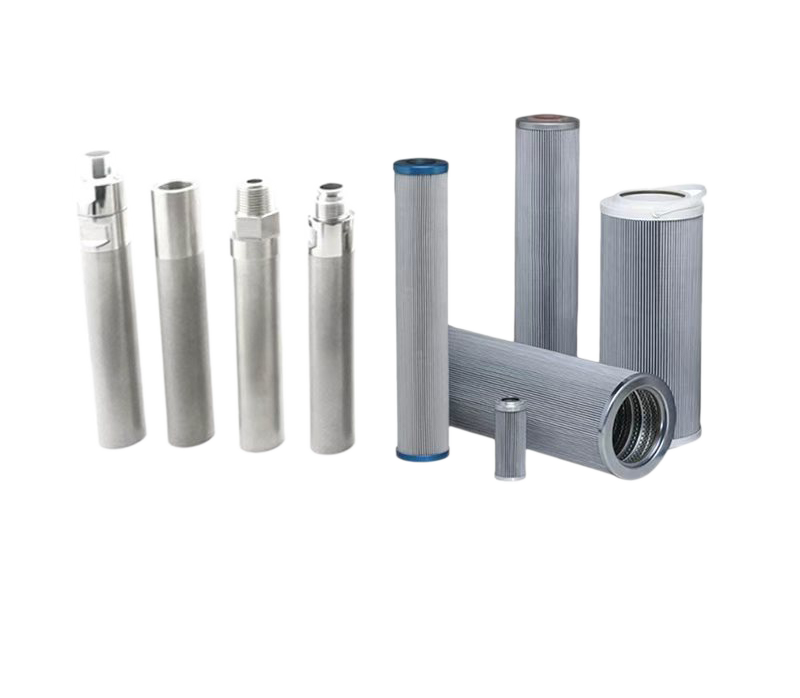
Traceability. A filter we ship today can be traced back to its material lot, the machine that built it, and the engineering revision it came from. For a plant buyer, that is the gap between a supply chain you can document and one you can only describe.
The through-line
None of this was built to look modern. It exists so a repeat order placed on a Tuesday ships the way the first one did — and so the person on the other end of the email can give a straight answer about when.
We are still a filter factory in Huixian. The difference is that since 2018, our systems finally talk to each other — and that conversation is what our customers have heard in every order since.
---