











How to Choose the Best Oil Separator: A Buyer's Guide
An oil separator is one of the most important components in an oil-injected screw air compressor. Its primary function is to separate lubricating oil from compressed air, helping deliver clean compressed air while reducing oil consumption and protecting downstream equipment.
However, choosing the wrong oil separator can lead to excessive oil carryover, increased pressure drop, higher operating costs, and even unexpected compressor downtime.
With so many products available on the market, how do you choose the Best Oil Separator for your air compressor?
In this guide, we will explain the key factors to consider when selecting an oil separator, helping you make a more informed purchasing decision.
1. Understand How an Oil Separator Works
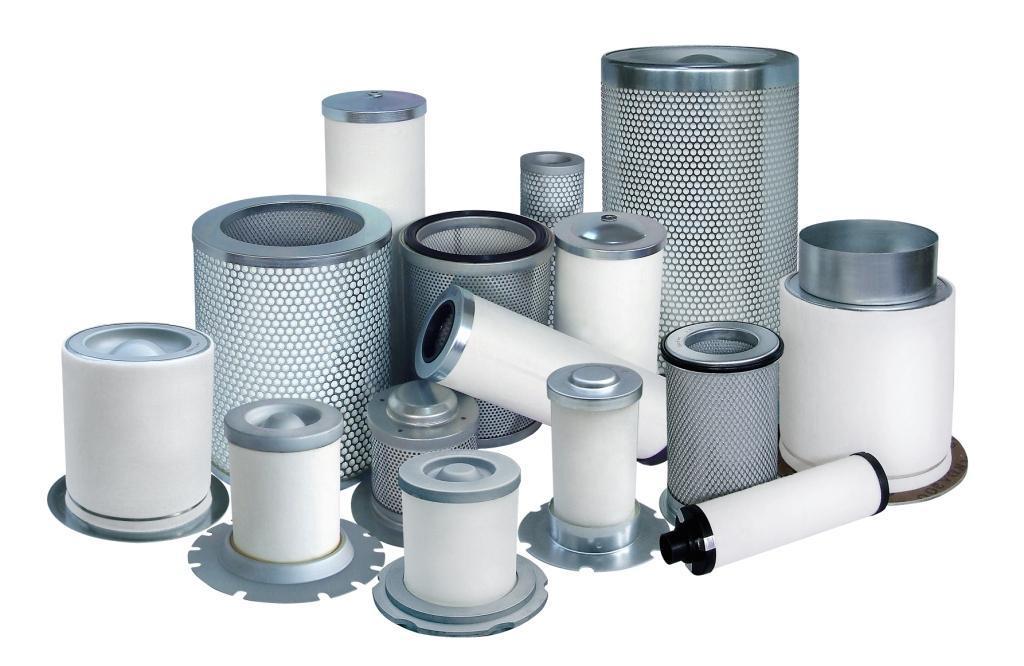
Before selecting an oil separator, it is important to understand its working principle.
In an oil-injected screw air compressor, lubricating oil is injected into the compression chamber to provide cooling, lubrication, and sealing. After compression, the mixture of compressed air and oil enters the oil separator tank.
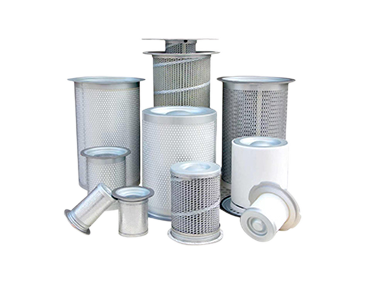
The oil separator element uses specialized filtration media, typically fine glass fiber materials, to capture tiny oil droplets from the compressed air.
The separated oil collects and returns to the compressor lubrication system, while the cleaned compressed air flows toward the air outlet.
A high-quality oil separator helps to:
- Reduce oil carryover in compressed air.
- Maintain stable compressor performance.
- Minimize lubricating oil consumption.
- Protect downstream air treatment equipment.
- Reduce maintenance and operating costs.
2. Check Filtration Efficiency
Filtration efficiency is one of the most important factors when choosing the Best Oil Separator.
A high-performance oil separator should effectively capture fine oil particles while maintaining stable airflow.
Poor separation performance may result in excessive oil carryover, which can cause:
- Oil contamination in compressed air pipelines.
- Increased lubricant consumption.
- Damage to downstream filters and equipment.
- Additional maintenance expenses.
When evaluating an oil separator, pay attention to its residual oil content and the filtration performance specified by the manufacturer.
It is also important to consider the actual operating conditions of your compressor rather than relying only on general product descriptions.
3. Consider Pressure Drop
Pressure drop is another critical factor that directly affects compressor energy consumption.
As compressed air passes through the oil separator, resistance is generated by the filtration media. If the pressure drop is too high, the compressor may need to work harder to maintain the required discharge pressure.
A suitable oil separator should provide:
- Low initial differential pressure.
- Stable airflow performance.
- Consistent filtration efficiency.
- Reasonable pressure drop throughout its service life.
Choosing an oil separator with optimized filtration media and structural design can help improve energy efficiency and reduce operating costs.
4. Choose the Correct Oil Separator Size and Compatibility
Even a high-quality oil separator may not work properly if it does not match your compressor.
Compatibility should always be checked before purchasing.
Consider the following information:

Compressor Brand and Model
Different compressor manufacturers use different oil separator designs and specifications.
OEM Part Number
The original equipment manufacturer (OEM) part number is one of the easiest ways to identify a compatible replacement.
Dimensions
Check the outer diameter, inner diameter, height, flange design, and sealing structure.
Connection and Installation Design
Make sure the replacement element matches the original installation structure.
If you cannot find the exact model, provide the compressor nameplate, original part number, or product photos to your supplier for identification.
At AIRPULL, customers can receive part identification and cross-reference support to find suitable replacement oil separators.
5. Evaluate Filter Media and Manufacturing Quality

The filtration media plays a major role in determining the performance and service life of an oil separator.
High-quality oil separators commonly use superfine glass fiber composite media, which offers excellent filtration performance and stable operating characteristics.
When evaluating product quality, consider:
- Filtration media quality and consistency.
- Structural strength of the filter element.
- Sealing material and leak prevention.
- Internal support structure.
- Manufacturing and quality control processes.
A well-designed oil separator should maintain reliable separation performance under the specified operating conditions.
It is also worth choosing a manufacturer with professional filtration experience, established production processes, and quality inspection capabilities.
6. Check the Expected Service Life
Service life is an important consideration when calculating the total cost of ownership.
An inexpensive oil separator may seem attractive initially, but frequent replacement can increase maintenance costs and equipment downtime.
The actual service life depends on several factors:
- Compressor operating temperature.
- Lubricating oil quality.
- Air intake conditions.
- Operating pressure and workload.
- Maintenance practices.
- Oil separator design and material quality.
Always follow the compressor manufacturer's maintenance recommendations and monitor the differential pressure during operation.
Do not rely on a fixed replacement interval without considering actual working conditions.
7. Compare Price, Quality, and Supplier Reliability
Price is important, especially for distributors, wholesalers, and industrial equipment buyers. However, purchasing decisions should not be based on price alone.
When comparing different oil separator suppliers, evaluate:
| Evaluation Factor | What to Check |
|---|---|
| Product Quality | Filtration media, structure, and sealing |
| Performance | Oil carryover and pressure drop |
| Compatibility | OEM number and dimensional accuracy |
| Manufacturing | Production capacity and quality control |
| Delivery | Stock availability and lead time |
| Technical Support | Product identification and cross-reference |
| After-Sales Service | Technical assistance and replacement support |
A reliable manufacturer can help reduce procurement risks and provide more stable long-term supply.
8. Why Choose AIRPULL Oil Separators?
AIRPULL has been specializing in industrial filtration manufacturing since 1996, providing air compressor filter elements and industrial filtration solutions to customers worldwide.
With extensive manufacturing experience and professional technical support, AIRPULL provides replacement oil separators for various oil-injected screw air compressor applications.
Why Work with AIRPULL?
- Professional Manufacturing: Decades of experience in air compressor filtration.
- Wide Product Range: Oil separators, air filters, oil filters, and precision filtration products.
- OEM Cross-Reference: Support for identifying replacement elements by OEM part number, model, or dimensions.
- Stable Product Quality: Controlled manufacturing processes and quality inspections.
- Global Supply Experience: Products supplied to customers in more than 50 countries.
- Technical Support: Assistance with product selection, specifications, and application requirements.
Whether you are an air compressor distributor, maintenance company, or industrial end user, AIRPULL can help you find suitable filtration solutions for your equipment.
9. Conclusion: How to Find the Best Oil Separator
Choosing the Best Oil Separator requires more than simply comparing prices.
You should consider filtration efficiency, pressure drop, compatibility, filtration media, service life, and supplier reliability.
The right oil separator can help maintain compressed air quality, reduce oil consumption, protect compressor equipment, and lower long-term operating costs.
Looking for a reliable oil separator supplier?
Contact AIRPULL to identify the right replacement oil separator for your compressor.
Send us your OEM part number, compressor model, or product photos. Our team will help you find a suitable filtration solution.
Website: https://www.airpulltech.com/