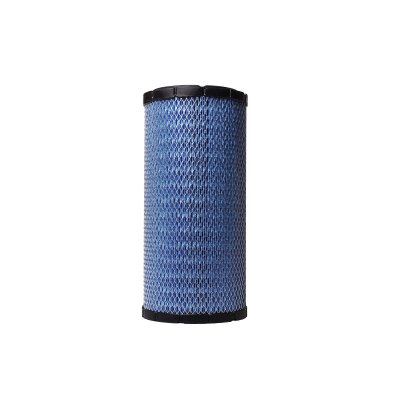
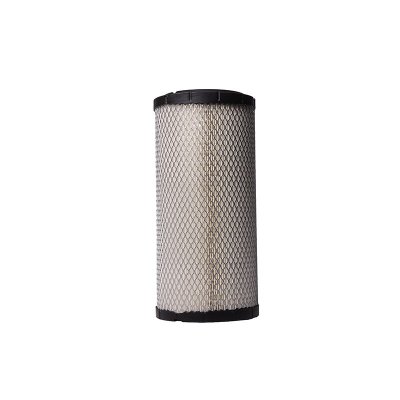
sales@airpulltech.comCommon symptoms include increased differential pressure, reduced airflow, higher oil carryover, rising energy consumption, and abnormal compressor operation. Timely \u0001P0\u0001 helps protect your equipment and maintain stable production.
Typical Symptoms of a Clogged Air Intake Filter
- Increased intake vacuum - differential pressure gauge reading exceeds the compatible threshold
- Higher discharge temperature - insufficient intake raises the compression ratio, noticeably increasing outlet temperature
- Rising energy consumption - higher motor current for the same air output; abnormal electricity bills
- Reduced air output - the machine struggles to keep up with the load; insufficient pressure at end-use points
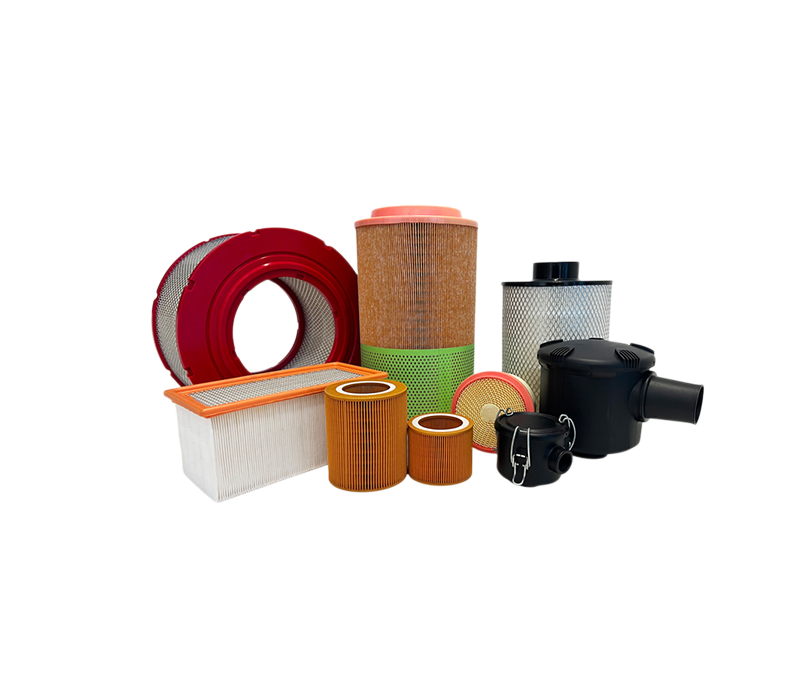
- Filter appearance - visible dust accumulation, oil contamination, fiber damage, or end-cap deformation
Typical Symptoms of a Clogged Oil Filter
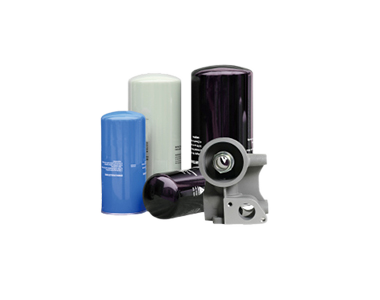
- Increased oil-circuit differential pressure - pressure drop across the oil filter exceeds the standard value (refer to the equipment manual)
- Elevated oil temperature - poor oil circulation leads to inadequate heat dissipation
- Increased oil carryover - declining separation efficiency causes abnormally high oil consumption
- Louder airend noise - insufficient lubrication causes rotor/bearing wear and abnormal sounds
- Oil darkens faster - failed media lets contaminants recirculate, rapidly degrading the lubricant
Typical Symptoms of a Clogged Air-Oil Separator
- Excessive separator tank differential pressure - overpressure triggers the safety valve or a shutdown alarm
- High oil content in discharge air - visible oil accumulation on compressed-air lines, receiver tanks, or pneumatic equipment
- Frequent oil top-ups - oil consumption far exceeds historical levels within the normal interval
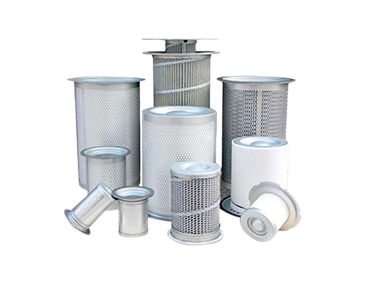
- Deformed or damaged separator element - bulging end caps, collapsed media layers, aged sealing rings
How to Judge from Instrument Data
- Differential pressure gauge - the most direct indicator; when the limit is exceeded
- Controller alarms - most modern compressors automatically prompt a \u0001P1\u0001 when differential pressure exceeds the limit
- Operating parameter trends - track historical current, temperature, and pressure changes; abnormal inflection points often mark the end of filter life
- Maintenance timer - inspect regularly per the manufacturer's recommended operating hours
Physical Inspection Methods
- Visual inspection - remove the filter and check color, integrity, and contamination level
- Weight comparison - weigh new vs. old filters; when the weight gain exceeds the recommended limit
- Structural check - confirm whether pleats have collapsed, end caps are loose, or sealing rings have hardened
- Destructive sampling (optional) - cut open an old element to analyze internal clogging distribution and media aging
Consequences of Delayed Compatible
- Energy waste - a clogged filter increases system resistance and adds unnecessary electricity costs
- Equipment damage - chain failures such as bearing wear, rotor scoring, and oil-circuit blockage
- Product quality risk - oily/dusty compressed air contaminates production processes (painting, food, electronics, etc.)
- Unplanned downtime - sudden failures interrupt production lines, costing far more than the filter itself
Compatible Recommendations
- Follow OEM-recommended intervals, shortened appropriately for actual operating conditions
- High-dust / high-humidity / high-temperature environments require more frequent inspection
- Inspect wear parts such as gaskets and O-rings at the same time as compatible
- Use AIRPULL high-quality compatible filters for stable performance and better value
Not sure whether your filter needs compatible?
Send the equipment model, current operating parameters, and filter photos to sales@airpulltech.com - our technical team will provide diagnostic advice.